Angela Davis-Gardner
“Davis-Gardner skillfully renders the fine lines that connect sympathy, intimacy and menace.” — The Washington Post
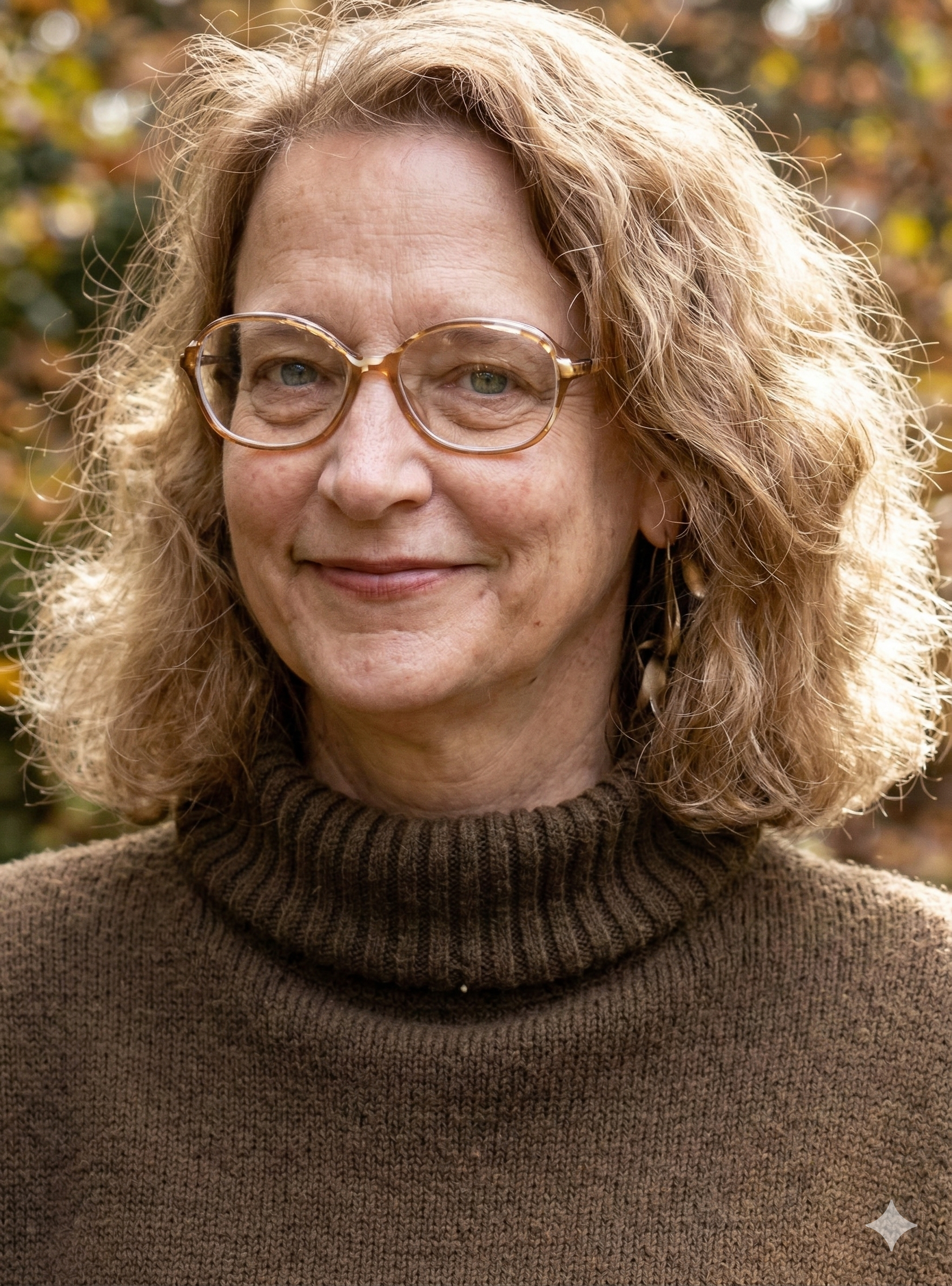
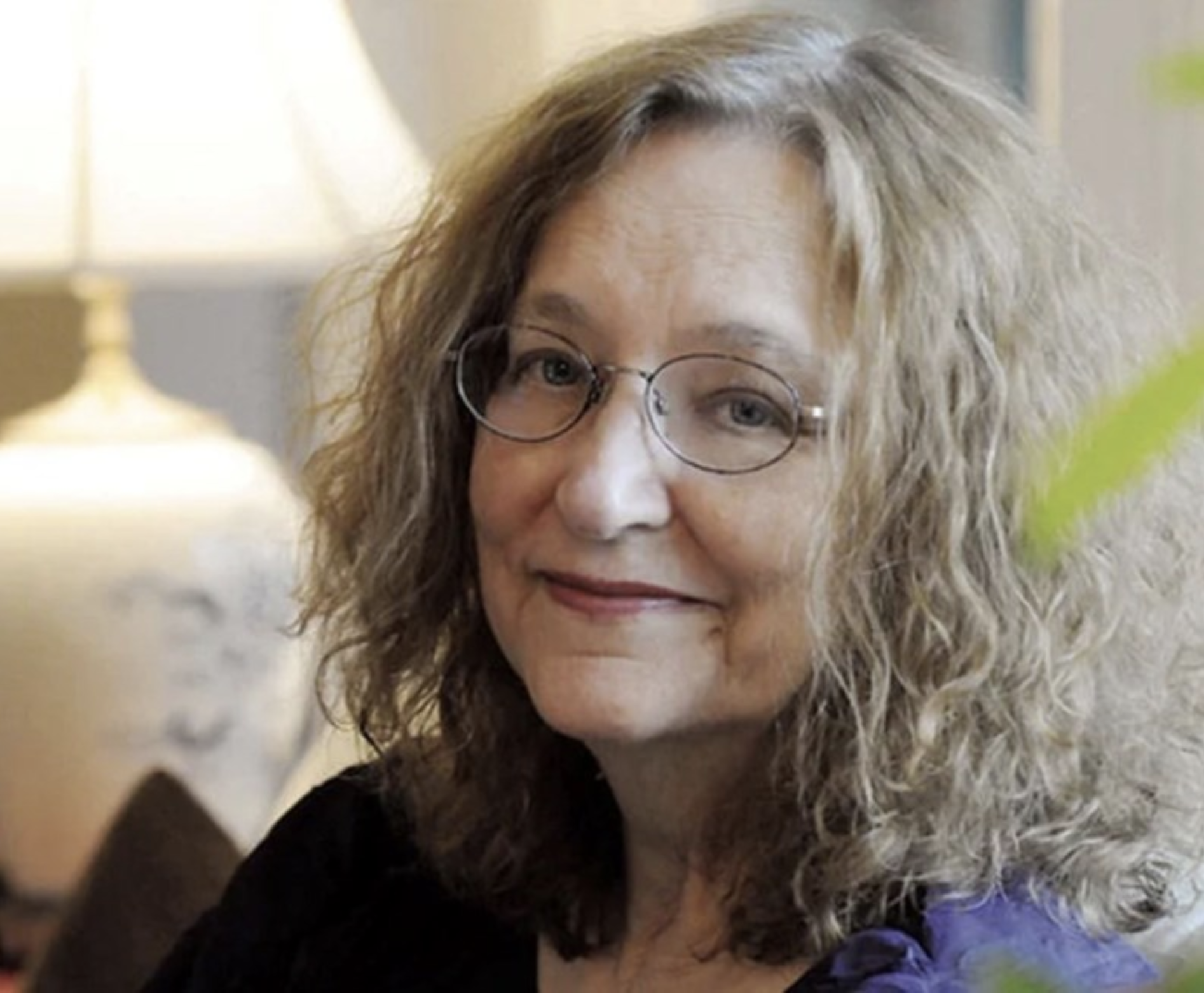
March 5, 2026 • My husband Richard and I learned late Tuesday night that our dear friend (and Richard’s first wife) writer Angela Davis-Gardner, had died Monday in Raleigh, NC.
Angela was family to us both, and my heart aches along with others who loved and admired Angela, who leaves behind several acclaimed novels, including work described in a Kirkus review as holding “its own alongside the modern Western masterpieces of Larry McMurtry and Cormac McCarthy.”

Angela was internationally recognized for her novels Felice, Forms of Shelter and Plum Wine, and in a 2011 piece for The Millions, novelist and Pulitzer Prize winner Jennifer Egan called Angela’s most recent novel, Butterfly’s Child, her “book crush of the year.” Egan described the experience of reading it as "feverishly immersed," and noted the story dominated her thoughts long after she finished it. Egan’s blurb, which appears on many editions of the book, calls it: "A spectacular novel... an exploration of race and difference; a viscerally tragic love story; a sweeping, authoritative portrait of late 19th-century Midwestern life; a poignant inquiry into the burdens and hardships of women; and a clever reimagining of Puccini’s opera."
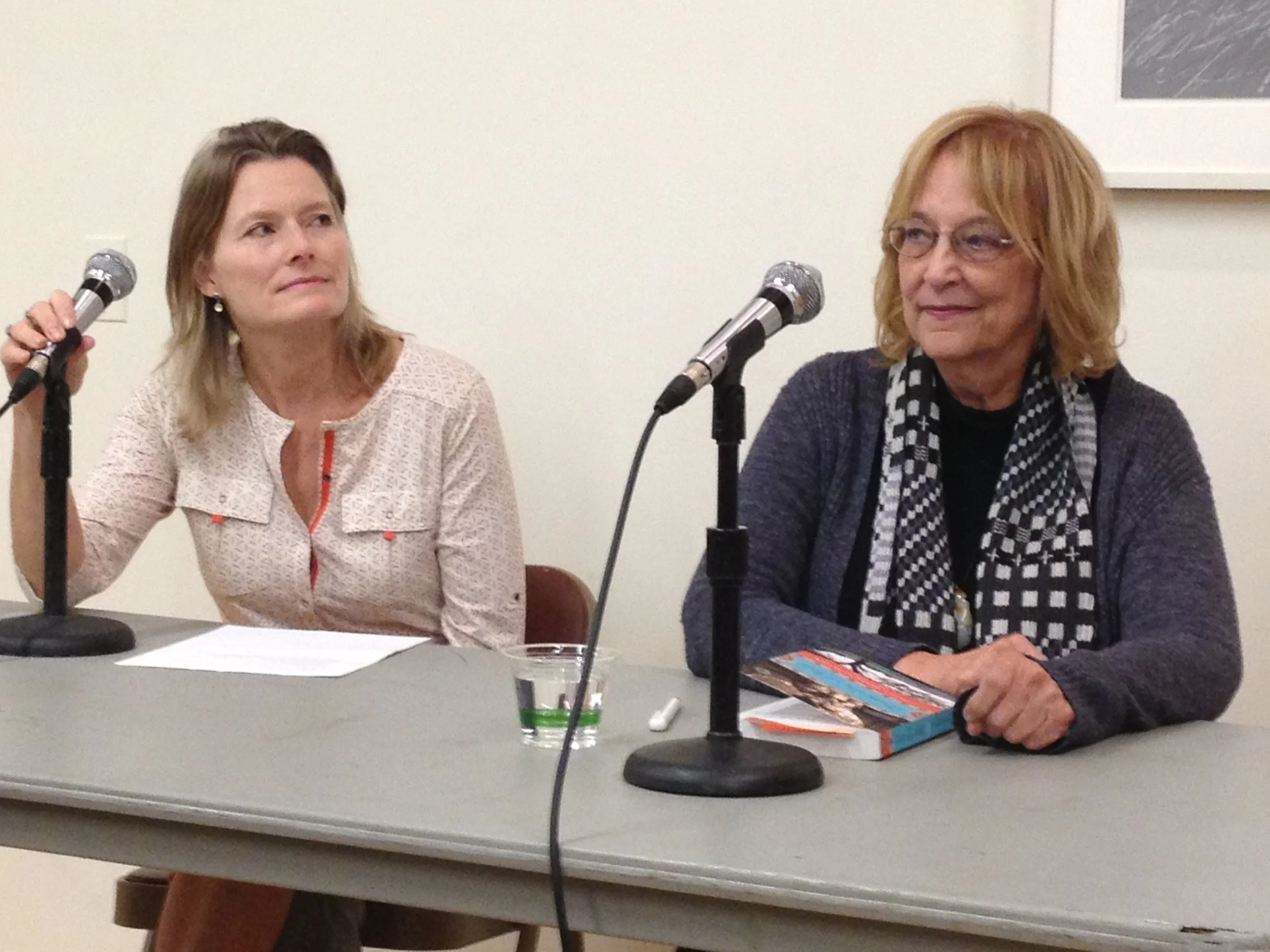
With novelist Jennifer Egan during a 2012 discussion at The New School in New York City.
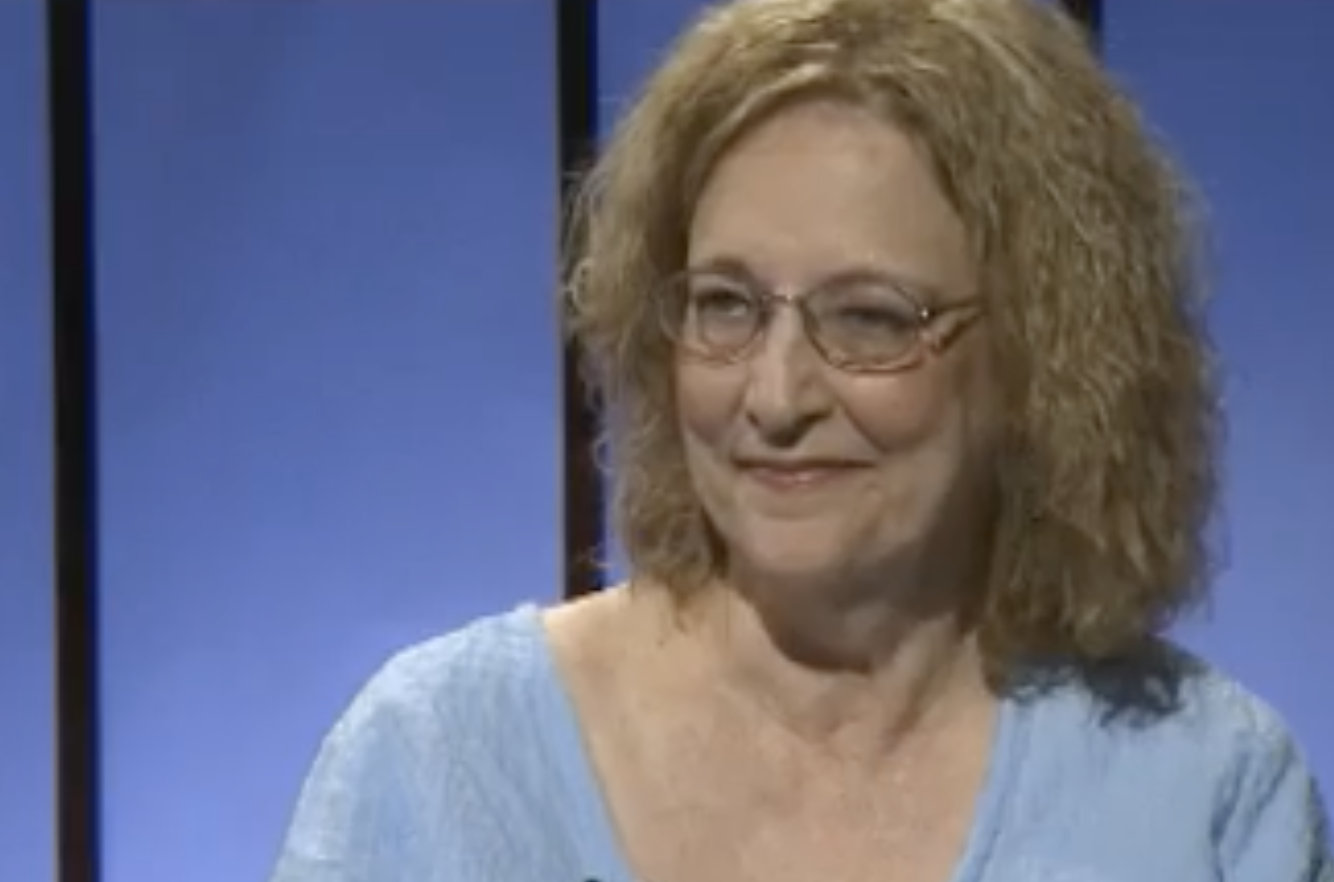
See Angela on PBS following publication of Butterfly’s Child.
Born in Charlotte, North Carolina, Angela grew up in Greensboro, attended Duke University, and earned an MFA at the University of North Carolina at Greensboro. Her first teaching job, at Tsuda College in Tokyo, Japan, changed the course of her writing. Her two most recent novels, Butterfly’s Child and Plum Wine, had their inception in her life-long interest in Japanese-American relations. After working as a journalist and editor, she returned to teaching, at Guilford College, the University of North Carolina at Greensboro, and North Carolina State University where she spent most of her teaching career, winning many awards for teaching undergraduates and graduate students in the MFA program.
A beloved instructor, Angela coached and supported many fledgling writers throughout her career, myself included. She was an enthusiastic supporter of Raleigh’s Quail Ridge Books and its late owner Nancy Olson, and a longtime member of a Chapel Hill writing group led by Laurel Goldman whose members included Peggy Payne and Joe Burgo. In stressing the value and importance of this group to me, Angela said its members helped to “midwife each other’s books.”
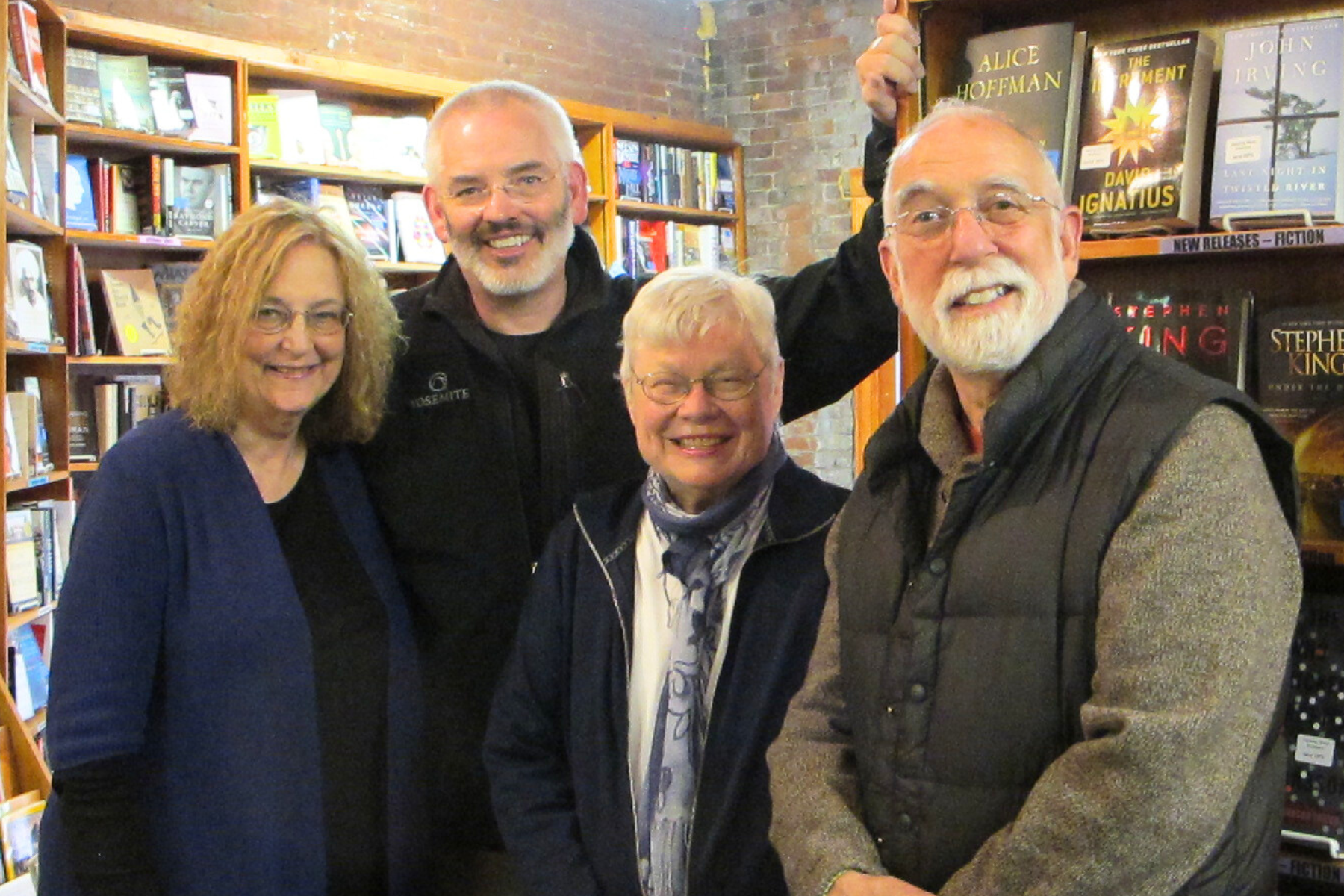
Angela with me, Nancy Olson, and Richard Kollath at Quail Ridge Books
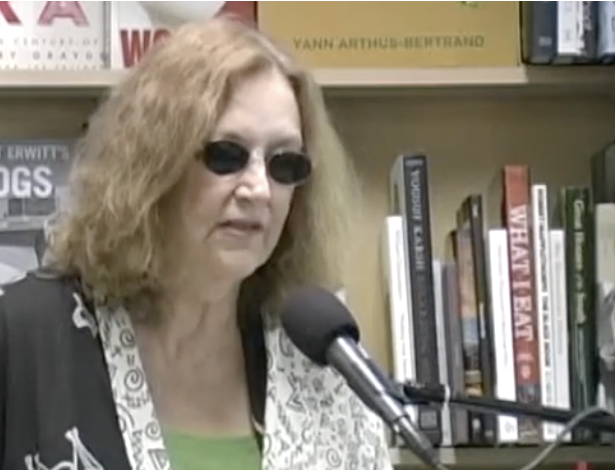
See Angela read from Forms of Shelter
On one of my and Richard’s visits to Raleigh, Angela invited me to accompany her to a meeting of her writing group, suggesting I bring a few pages of my own to share. Feeling self-conscious and a bit shy after reading just a short passage, the other writers encouraged me to keep going (and going) until I’d shared an entire chapter of a work in progress, entirely dominating the meeting. I’d never experienced anything like the thoughtful and generous feedback that followed, which sent me home to the Hudson Valley energized and determined to find my own writing group—and community.
When speaking with Angela about my writing, I’d reference “my project,” or “this thing I’m working on,” until she finally said, “Ed, let’s just call this a book, okay? Because that’s what it is.”
An unflagging champion of my writing, Angela was a first reader of a draft that required more than an entire ream of printer paper to print. Her suggestion to eliminate all the line breaks between paragraphs reduced that discouraging-looking stack by a few dozen pages. She also said “Writers are only permitted three exclamation points per lifetime, so use them very carefully.”
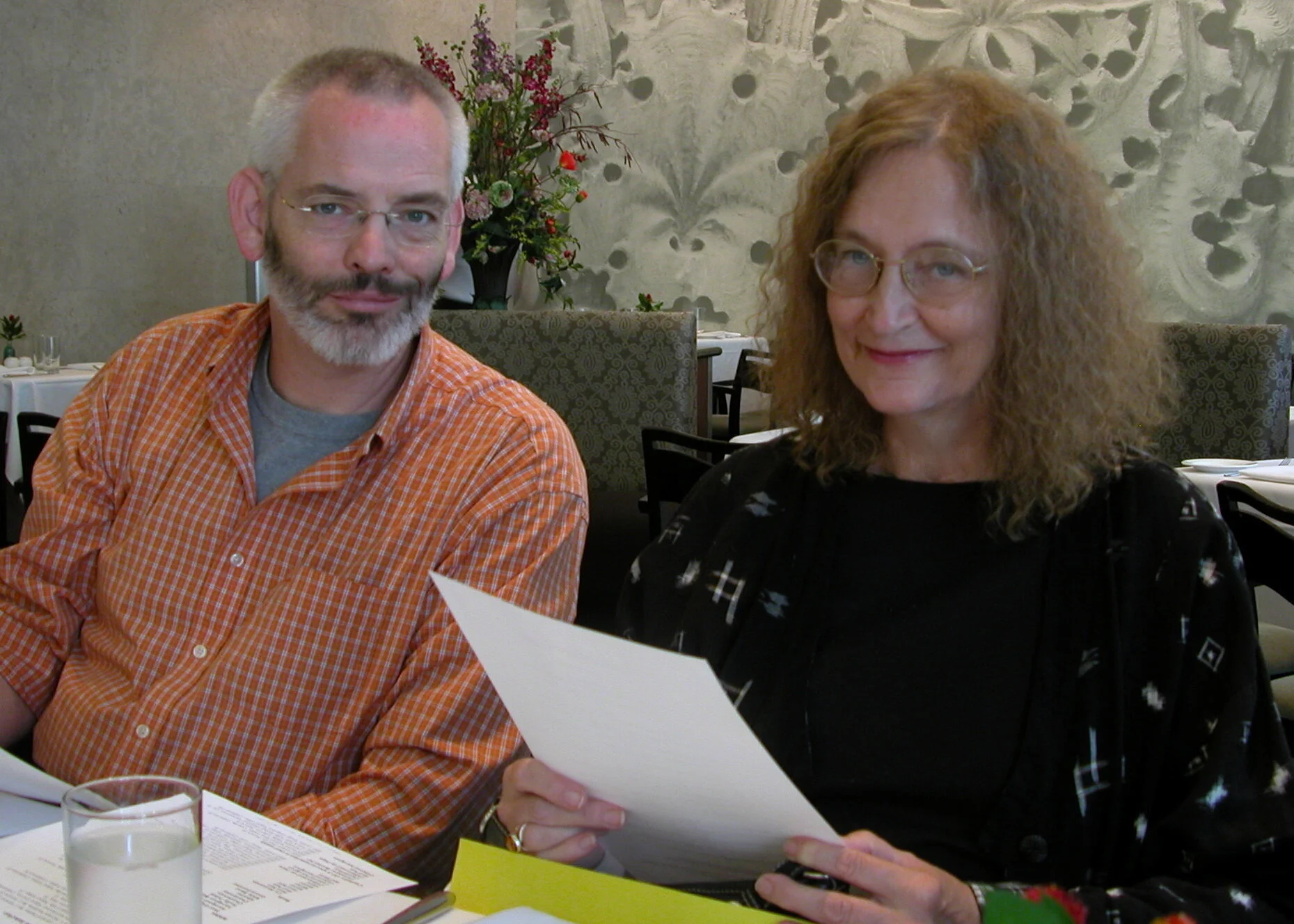
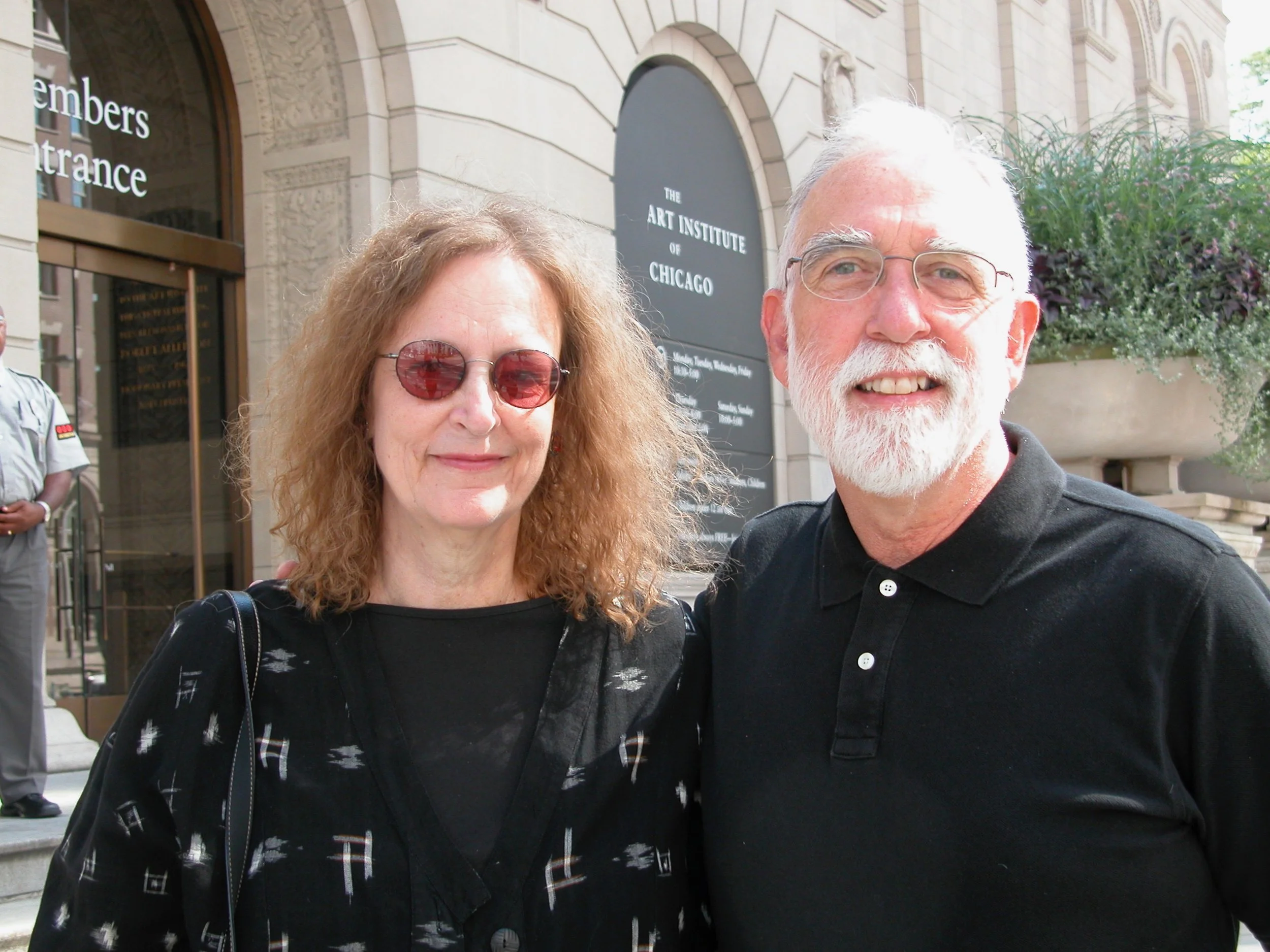
At lunch with Angela in Chicago
Angela’s validation and encouragement meant a great deal to me during a time when I was up writing every morning before dawn. “The early days of writing a book are sort of like falling in love,” she said. “And sometimes it’s all you can think about.”
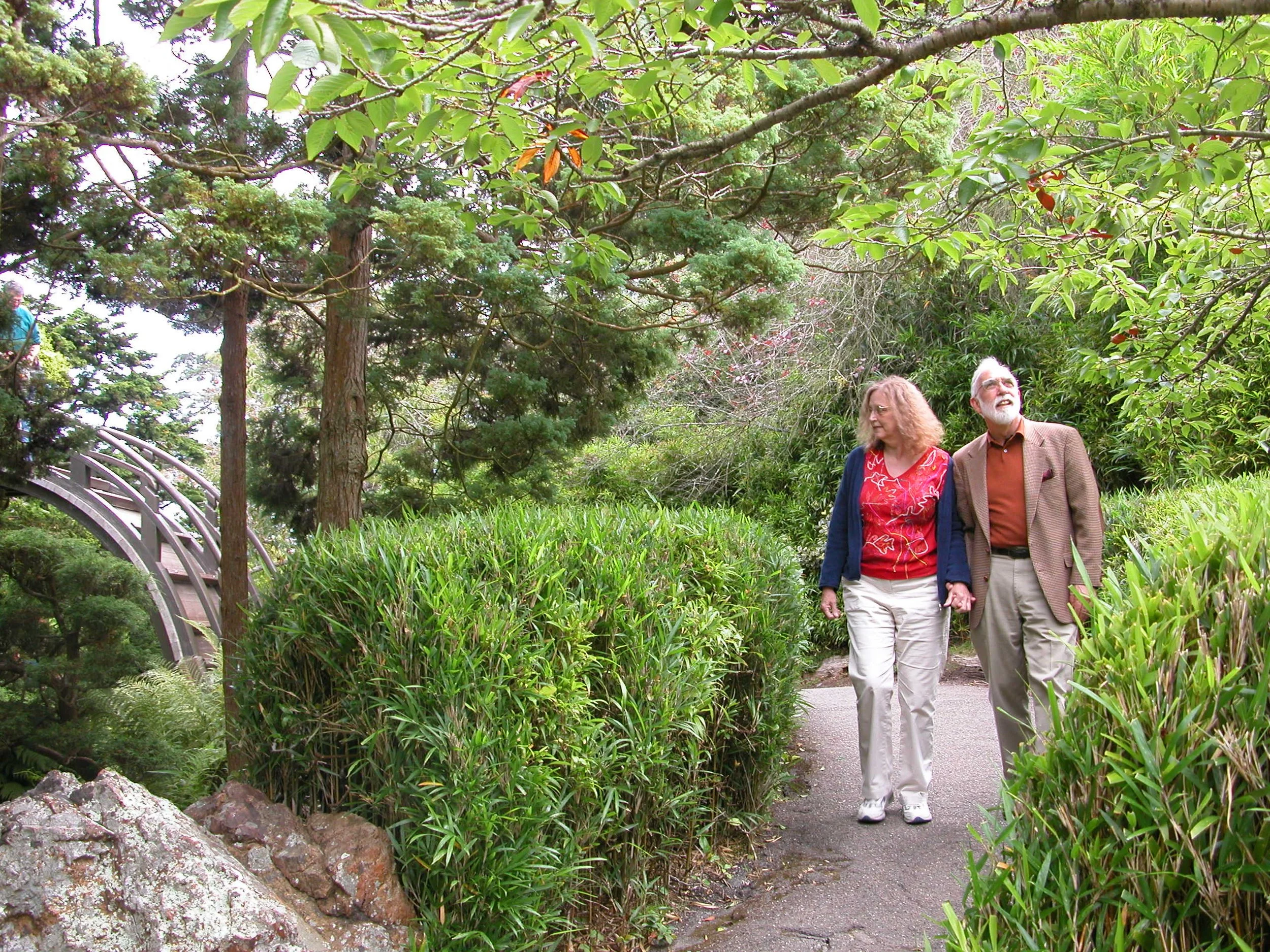
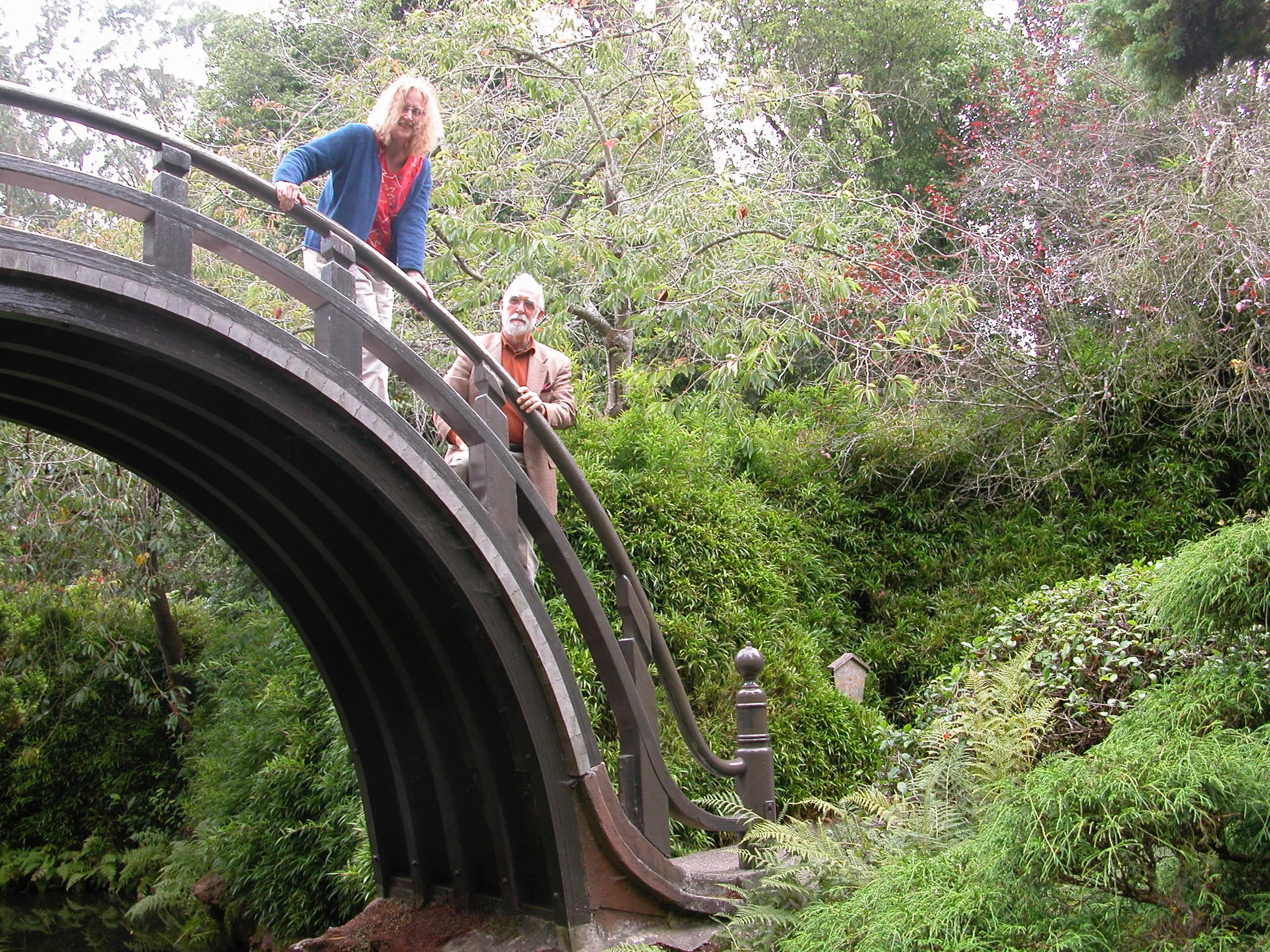
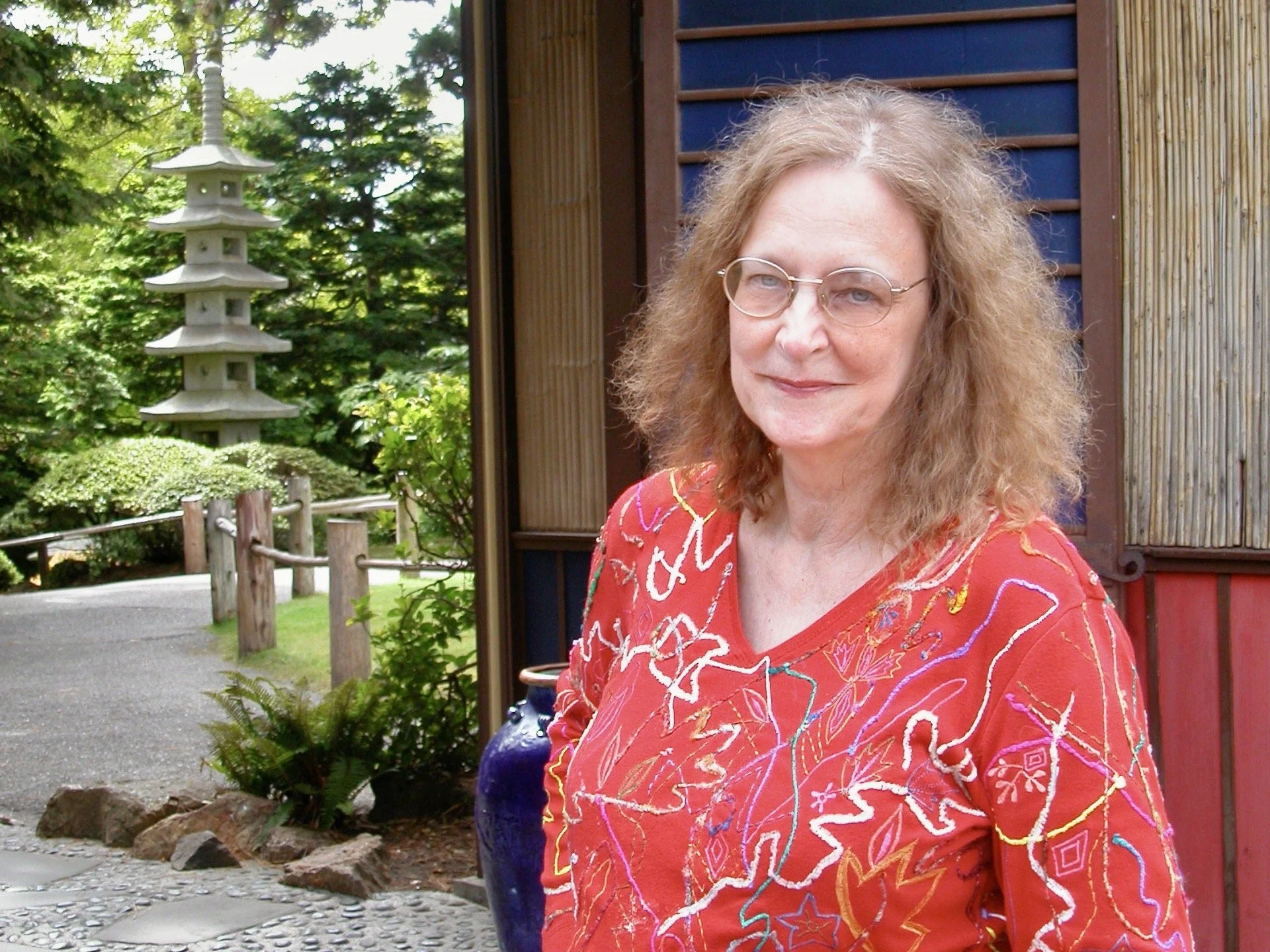
In 2001, Angela was among the panel of judges for the National Book Award for Fiction awarded to Jonathan Franzen for The Corrections (notable that year because of Franzen’s feud with Oprah Winfrey regarding her endorsement). That same year, while conducting research for Butterfly’s Child, Angela invited Richard and me to join her on a rail journey to California, tracing the path she was charting for her book’s main character, Benji. That memorable trip—with stops at museums and hotels in Chicago and Denver, and a thorough exploration of a Japanese tea garden in San Francisco—culminated in the powerful moment when Angela—and the character in her head—finally saw the Pacific Ocean for the first time.
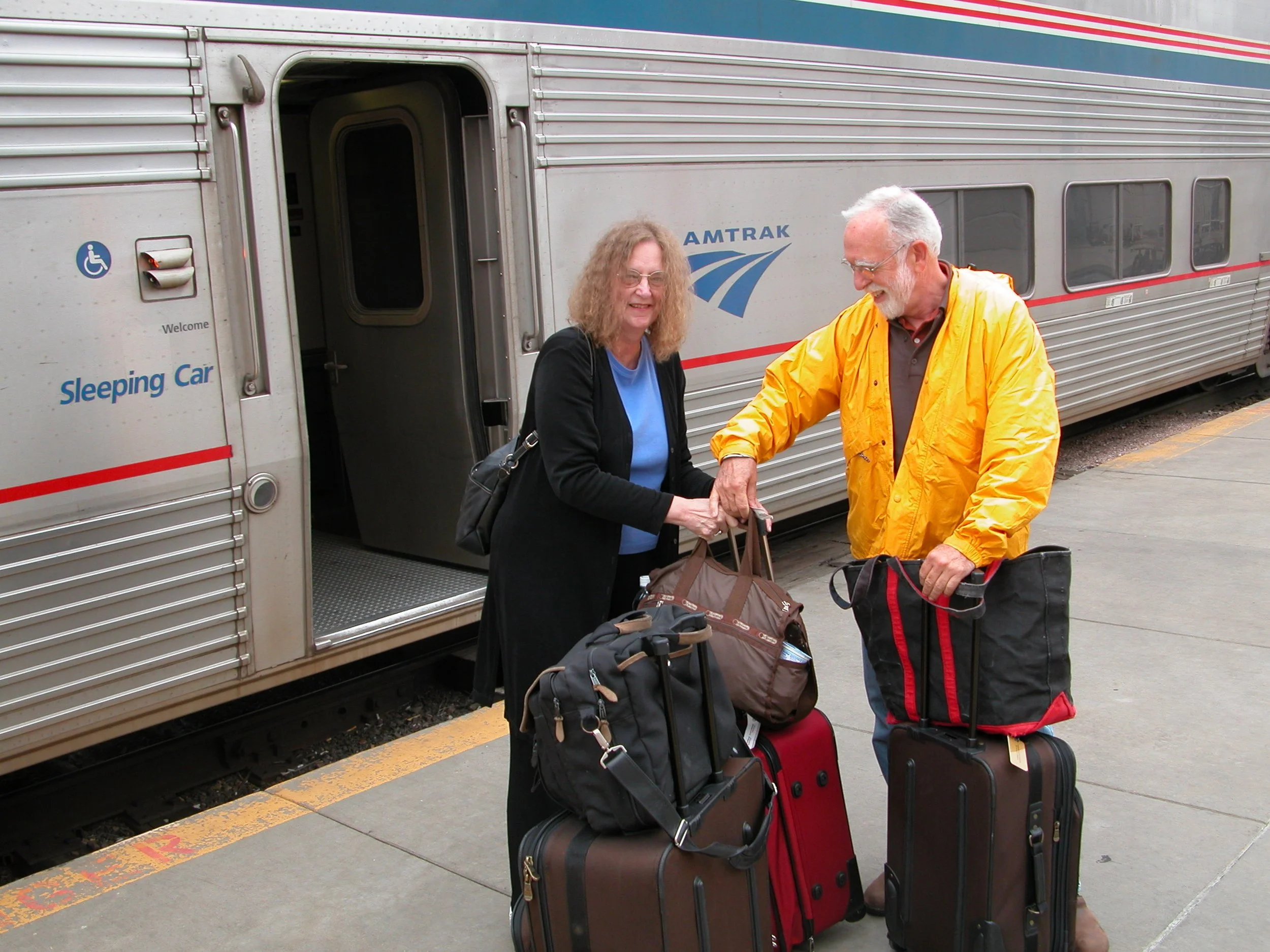

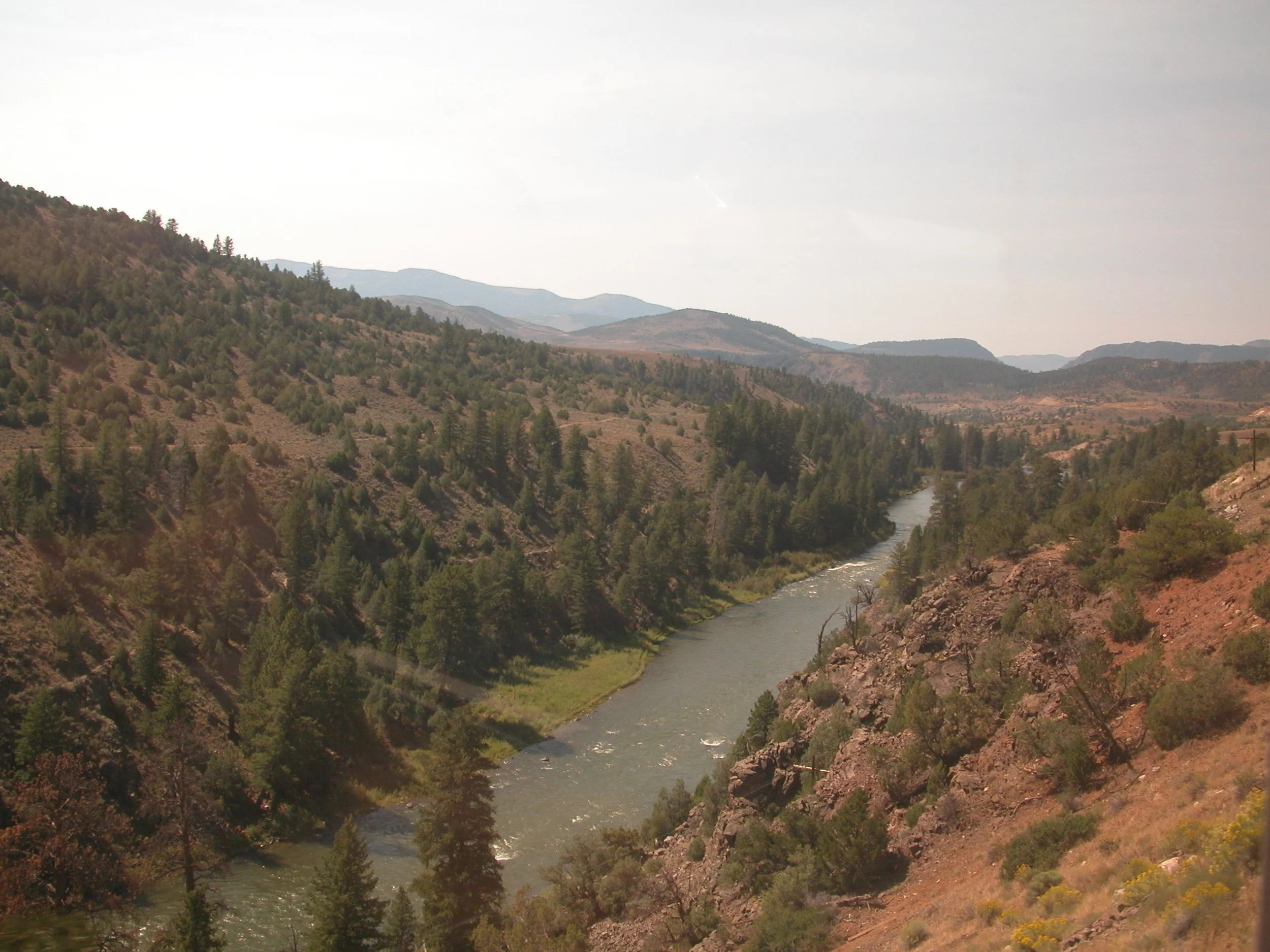
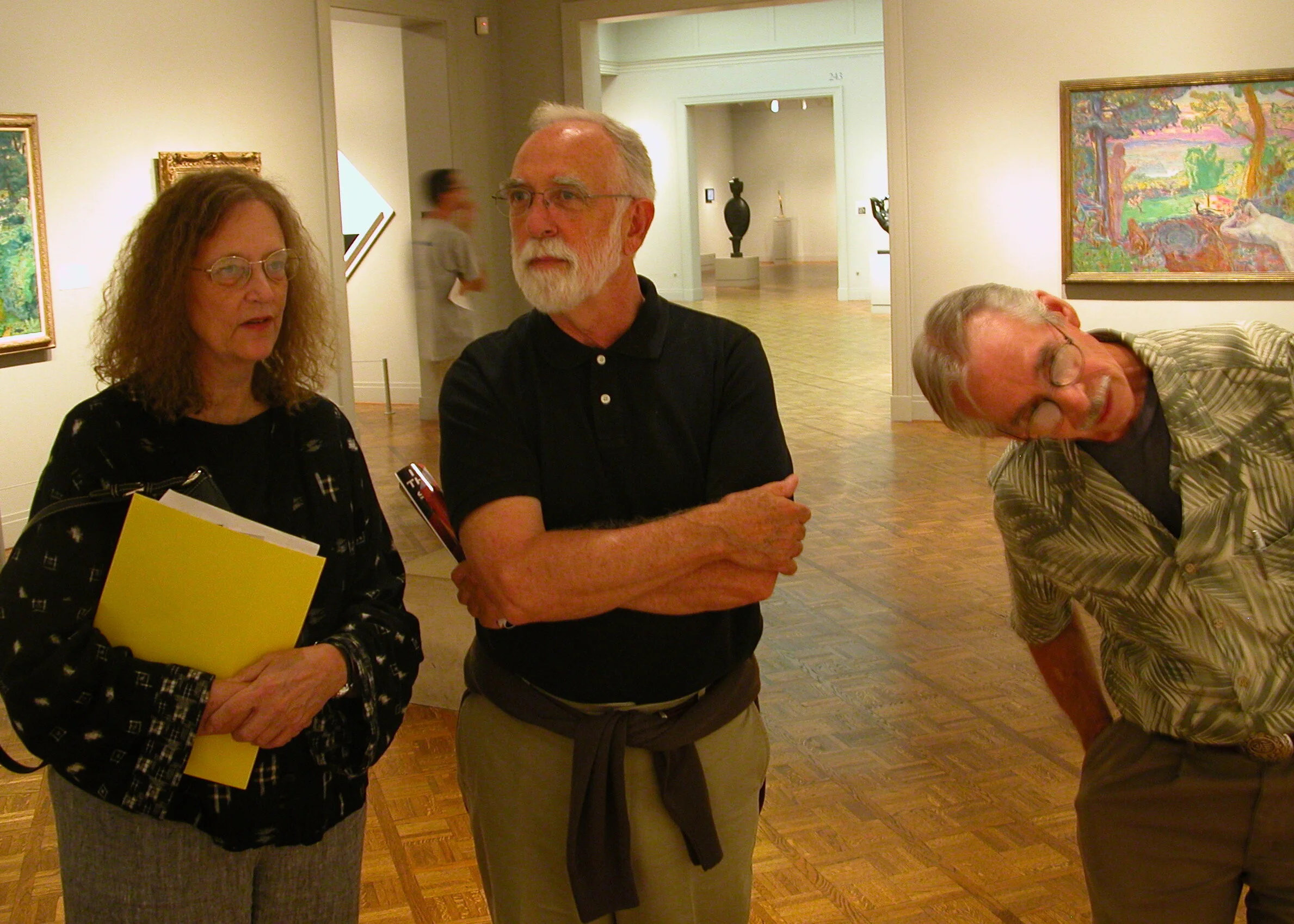
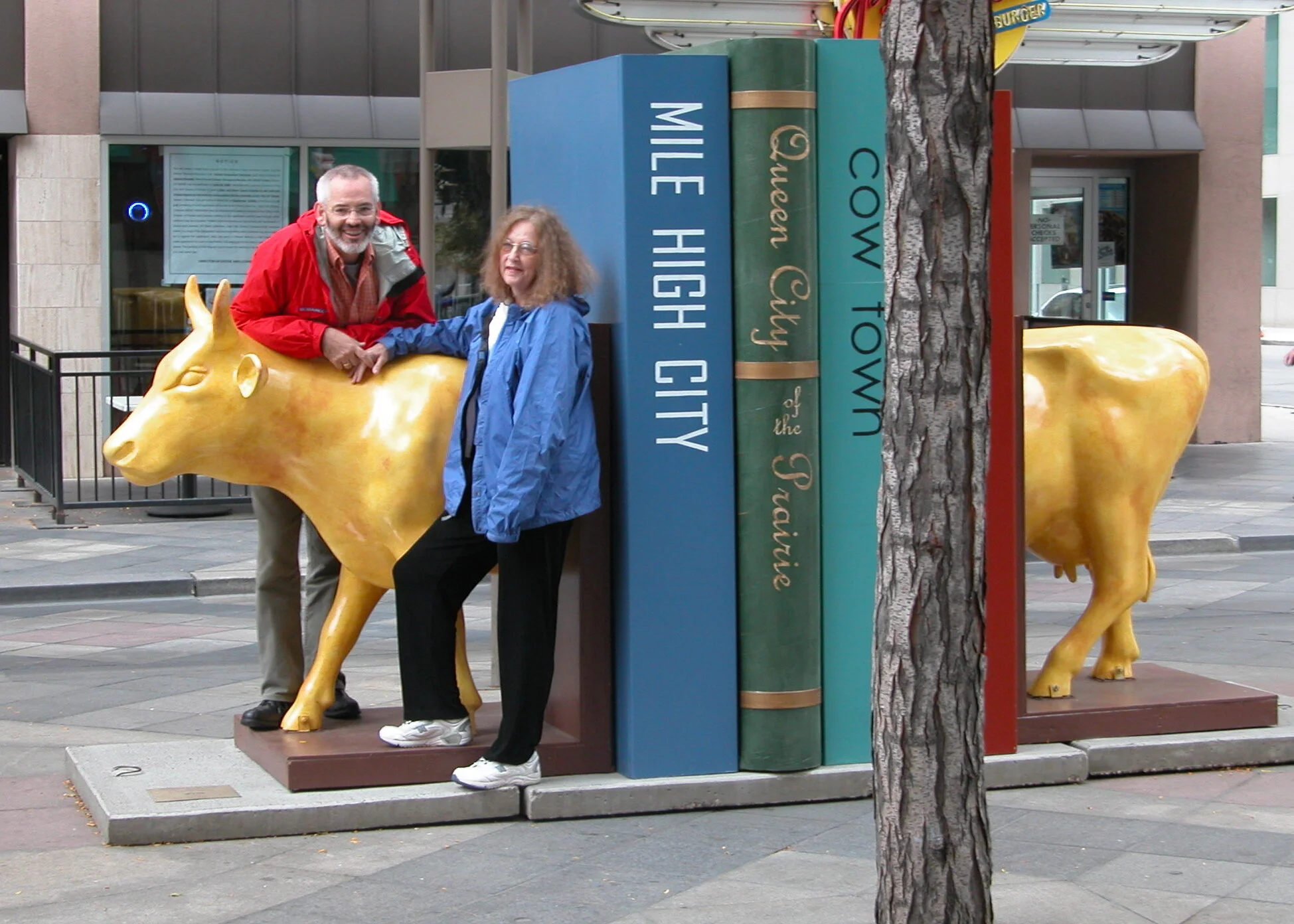
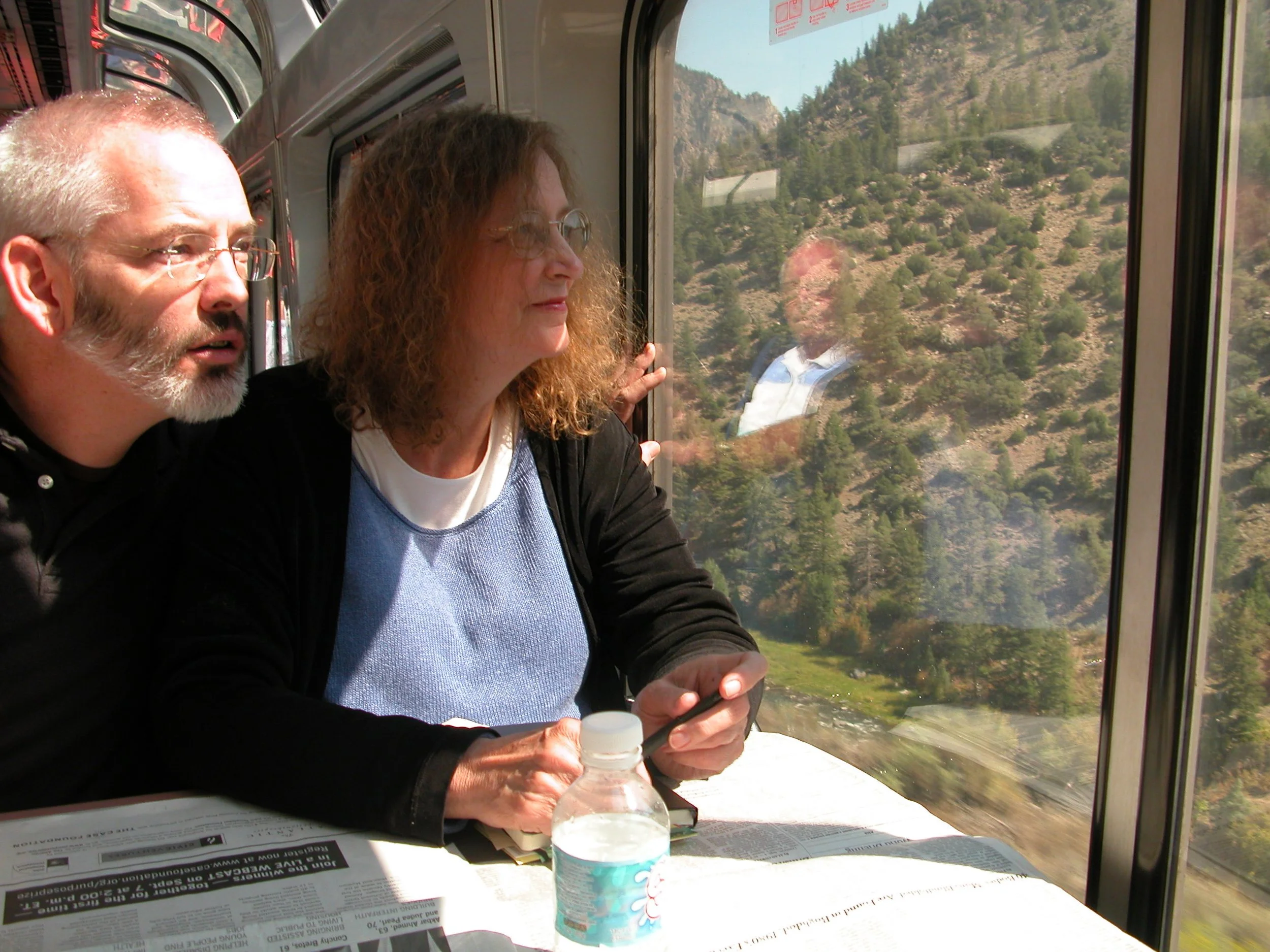
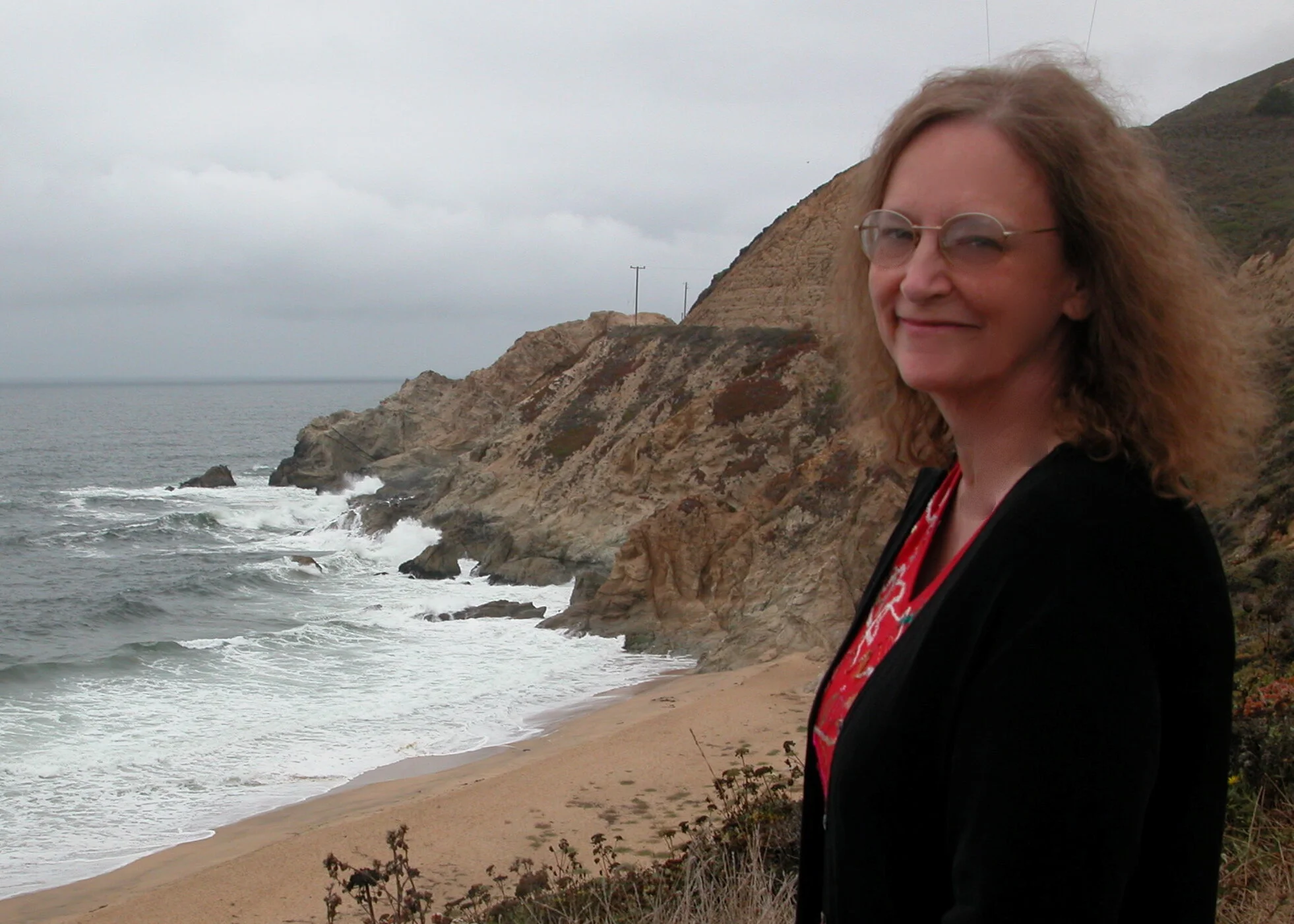
Angela—and Benji—finally reach the Pacific Ocean (next stop for Benji: Nagasaki).
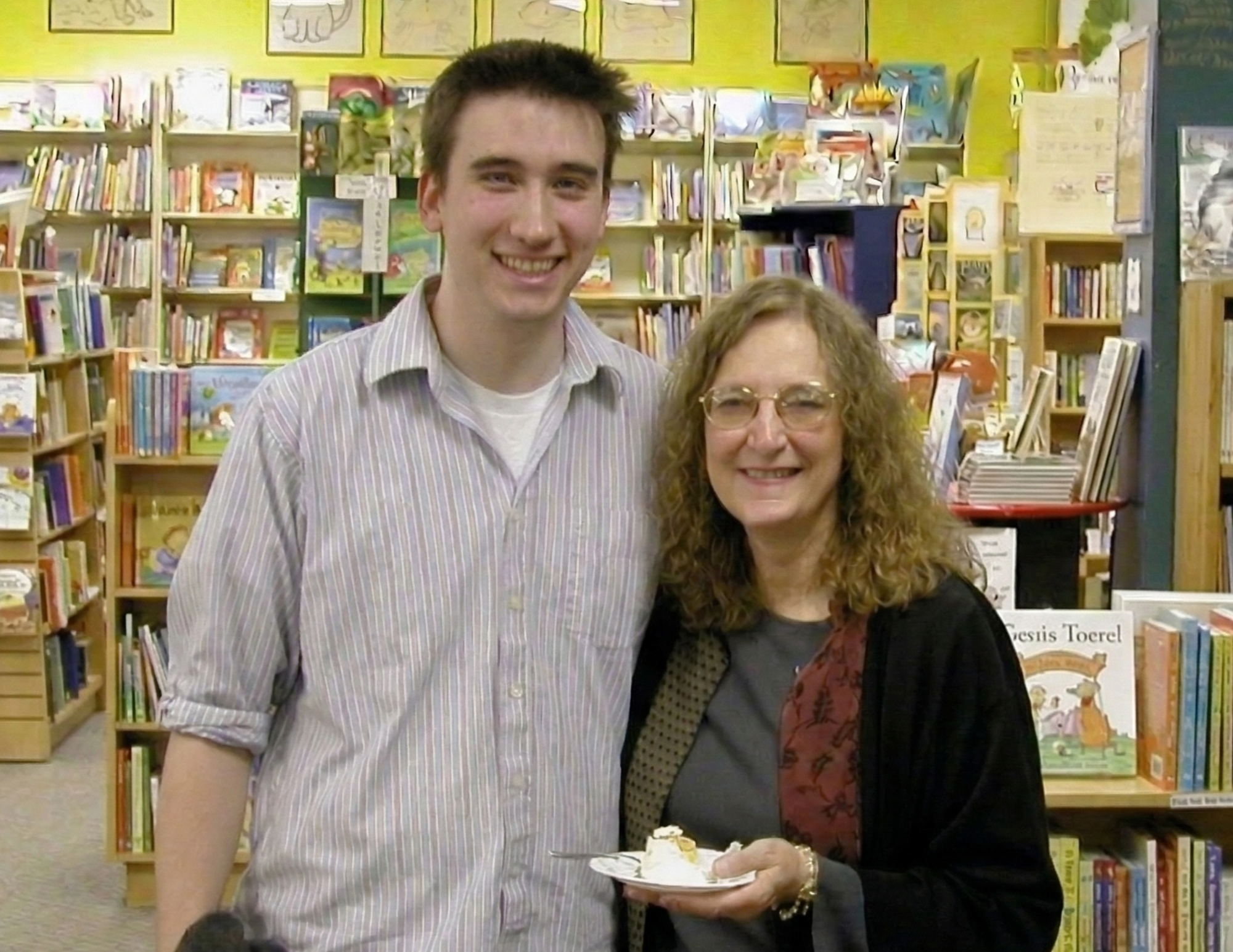
Angela with her son, writer Heath Davis-Gardner, at Quail Ridge Books, Raleigh NC
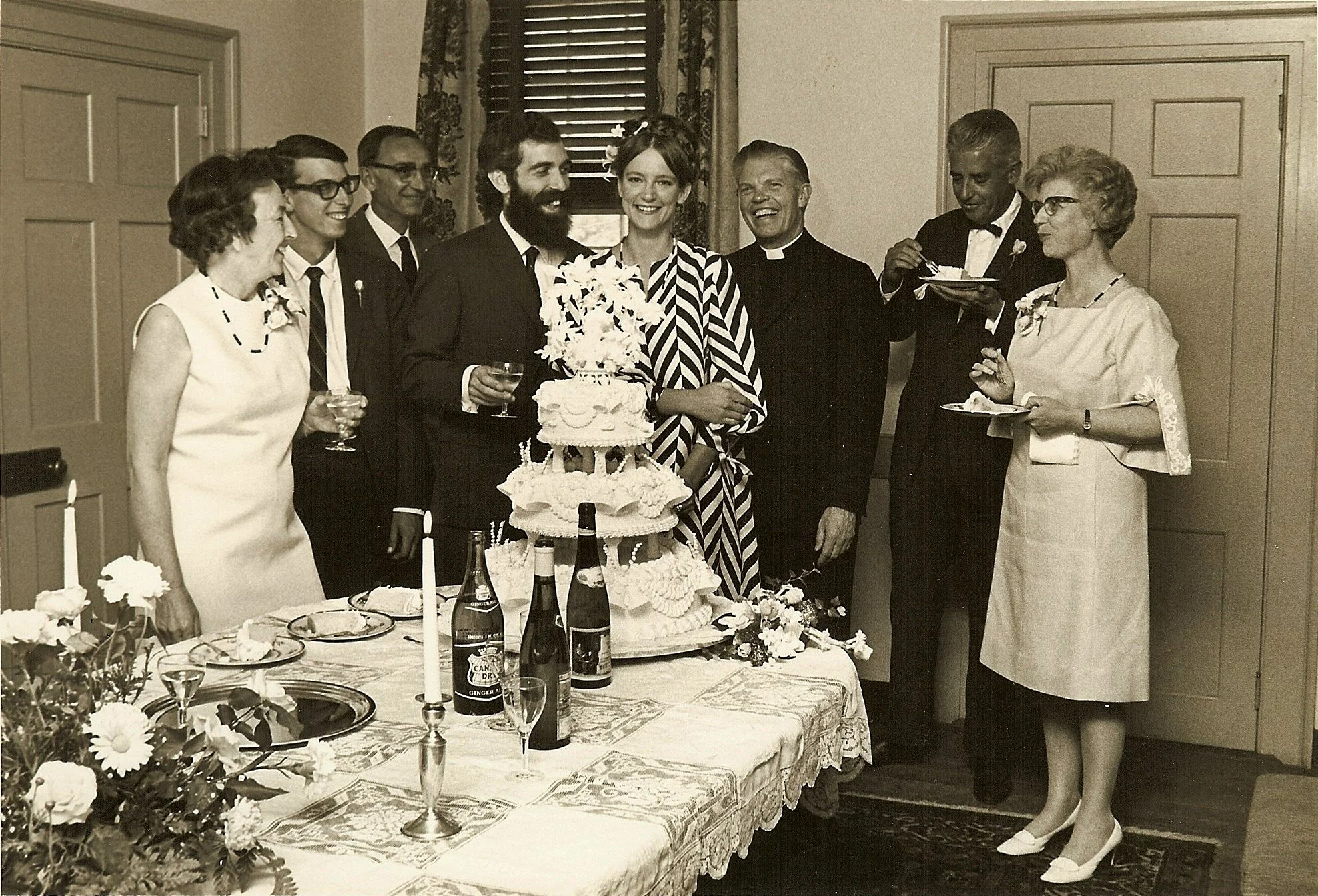
Angela and Richard met in college at UNC Greensboro, married in 1967 in a small ceremony at her parents’ home in Colonial Williamsburgh, and soon secured university teaching jobs in Illinois. Five years later, they ended their marriage amicably to pursue separate lives and careers. After each had remarried, divorced, and raised a child, they resumed a deeply supportive and affectionate friendship. For over three decades, Angela remained an important figure in both Richard’s life and mine, and I was honored to escort her down the aisle during her son Heath’s wedding ceremony.
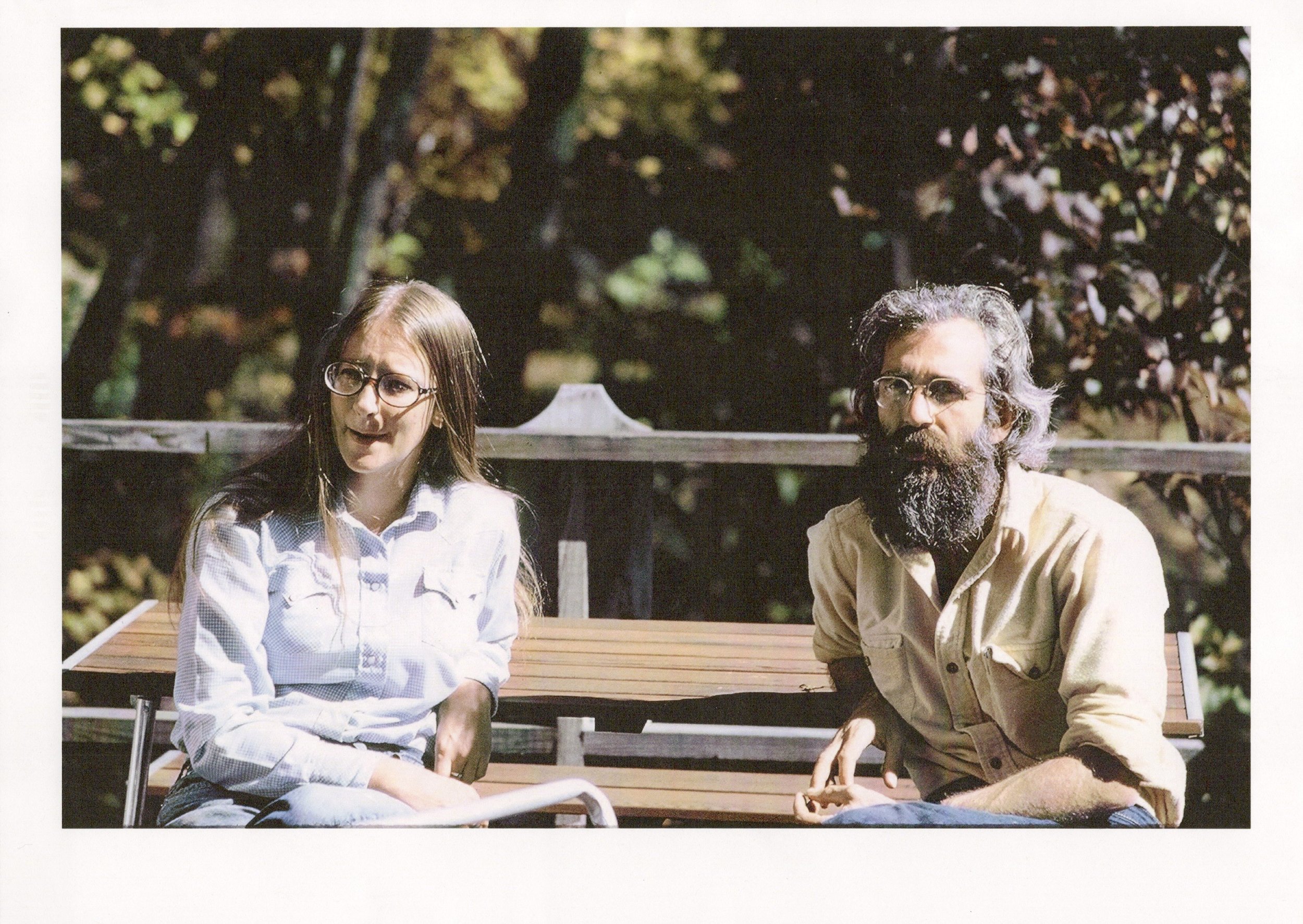
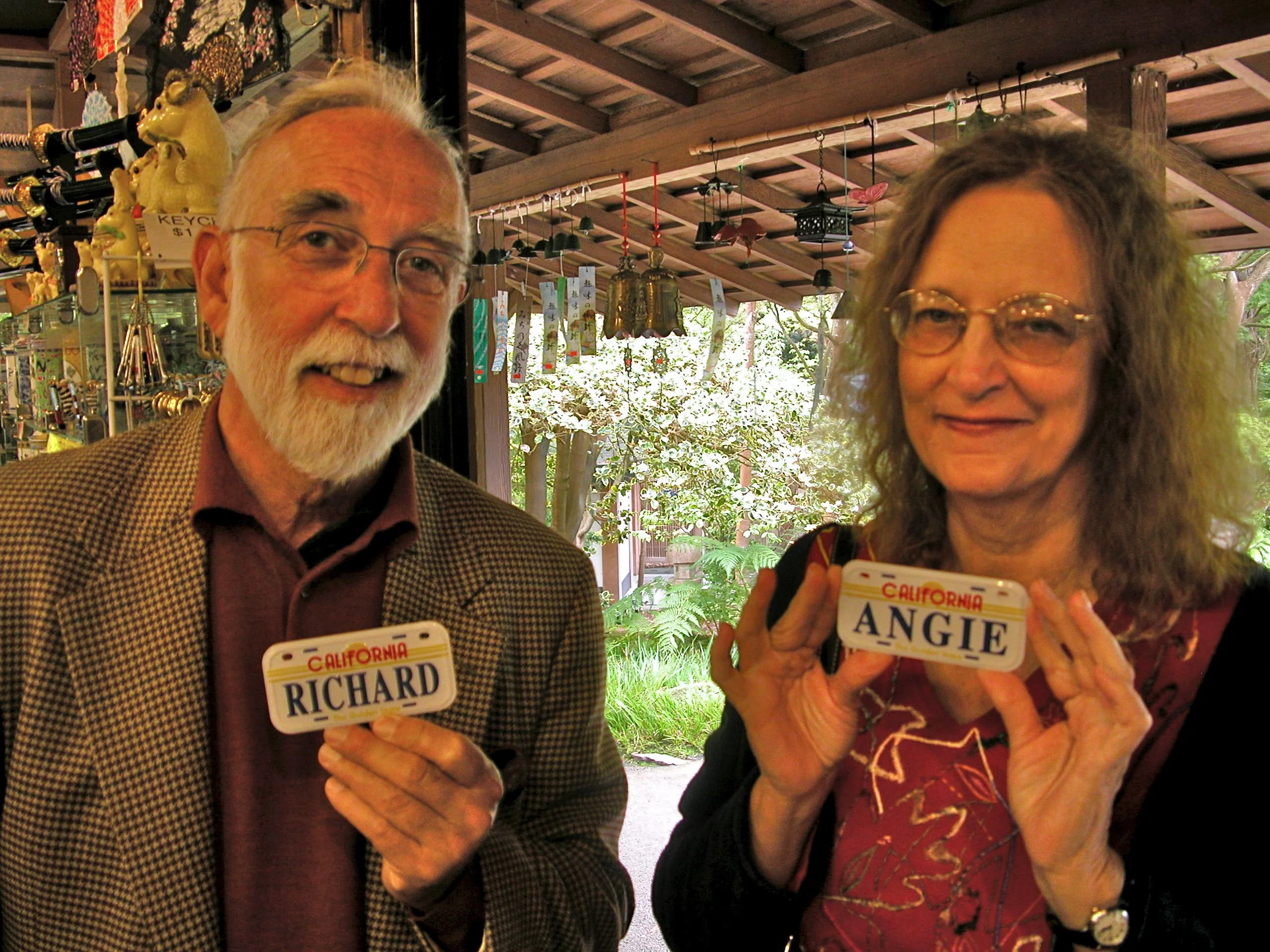
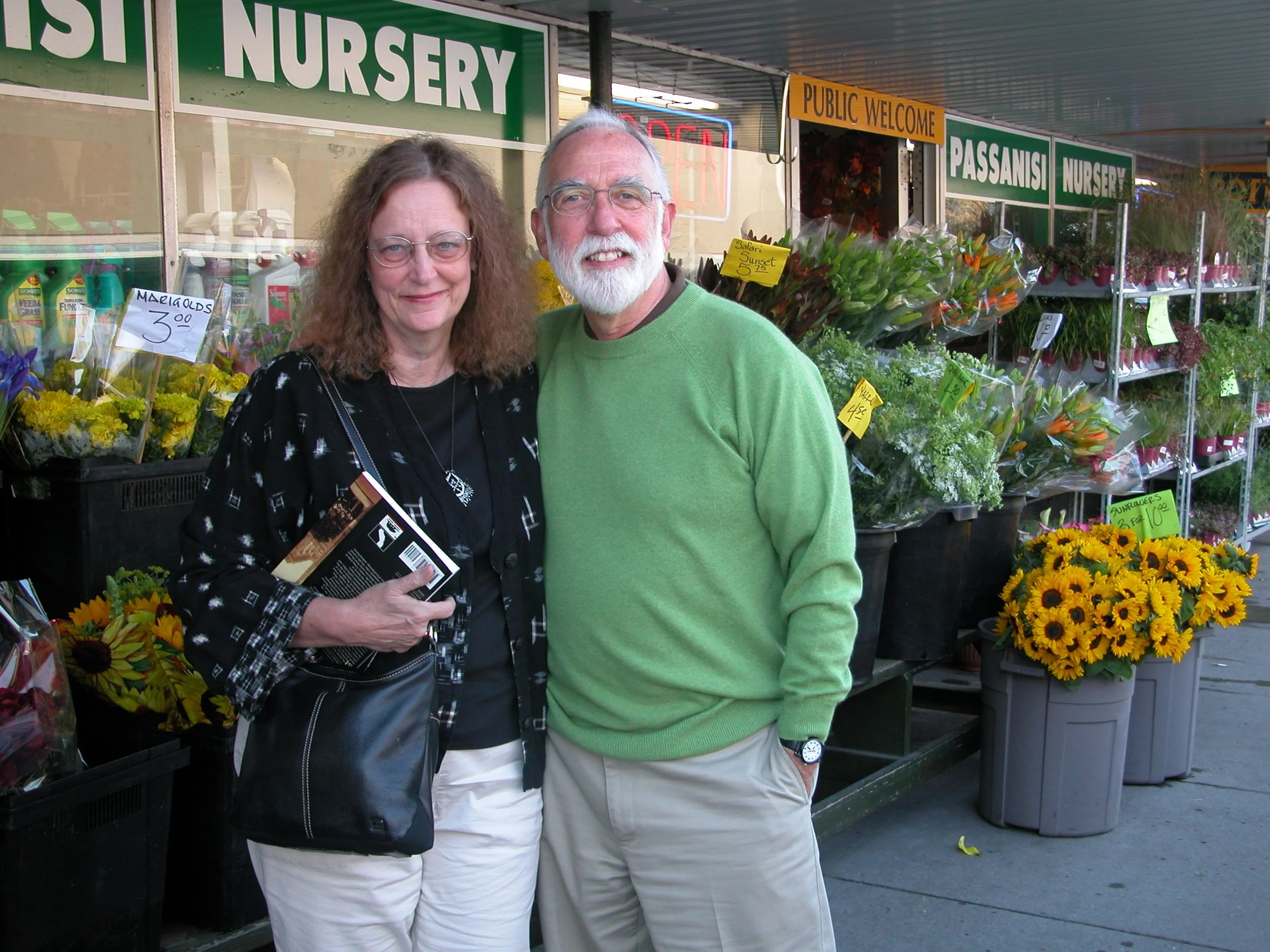
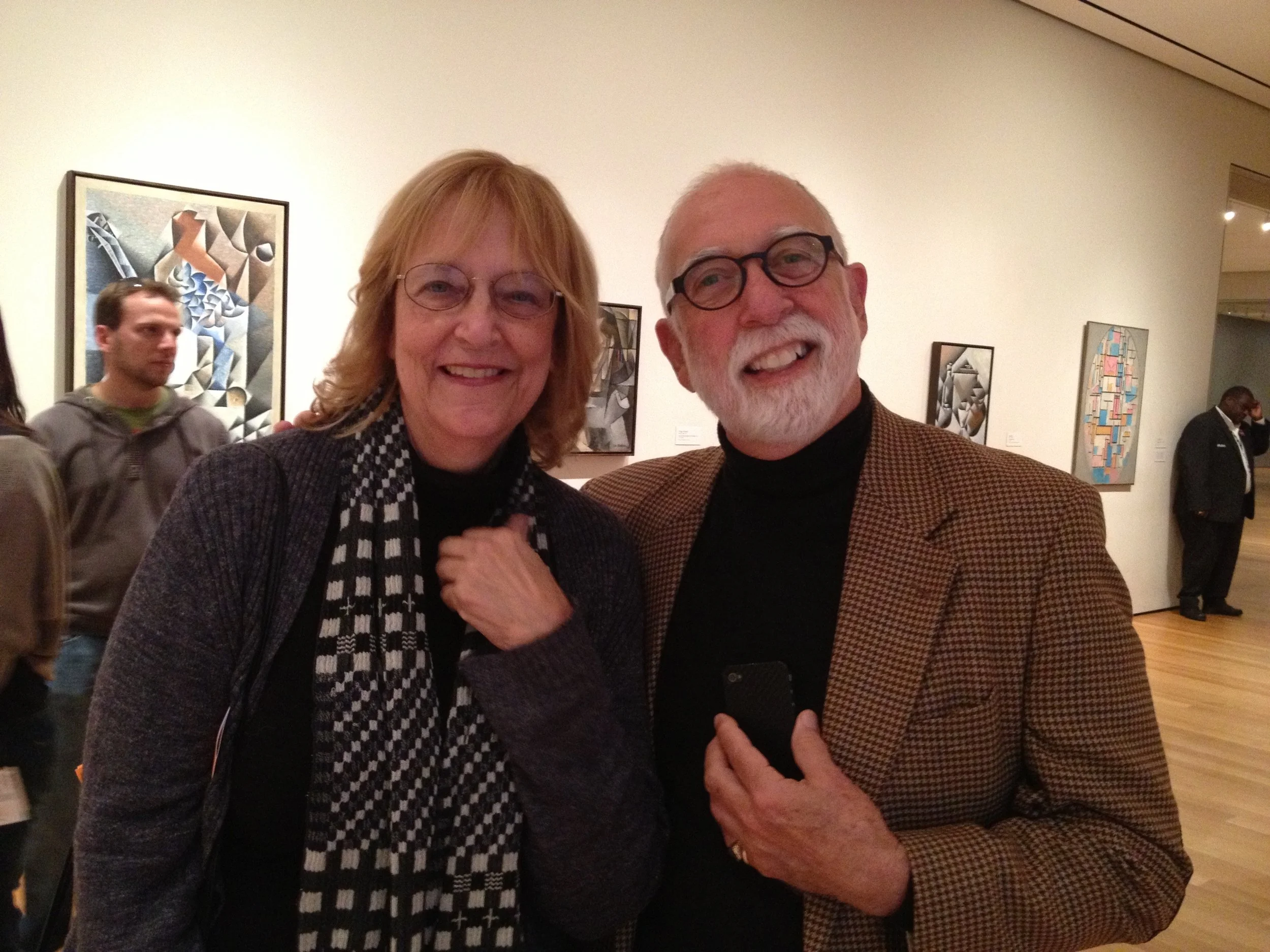
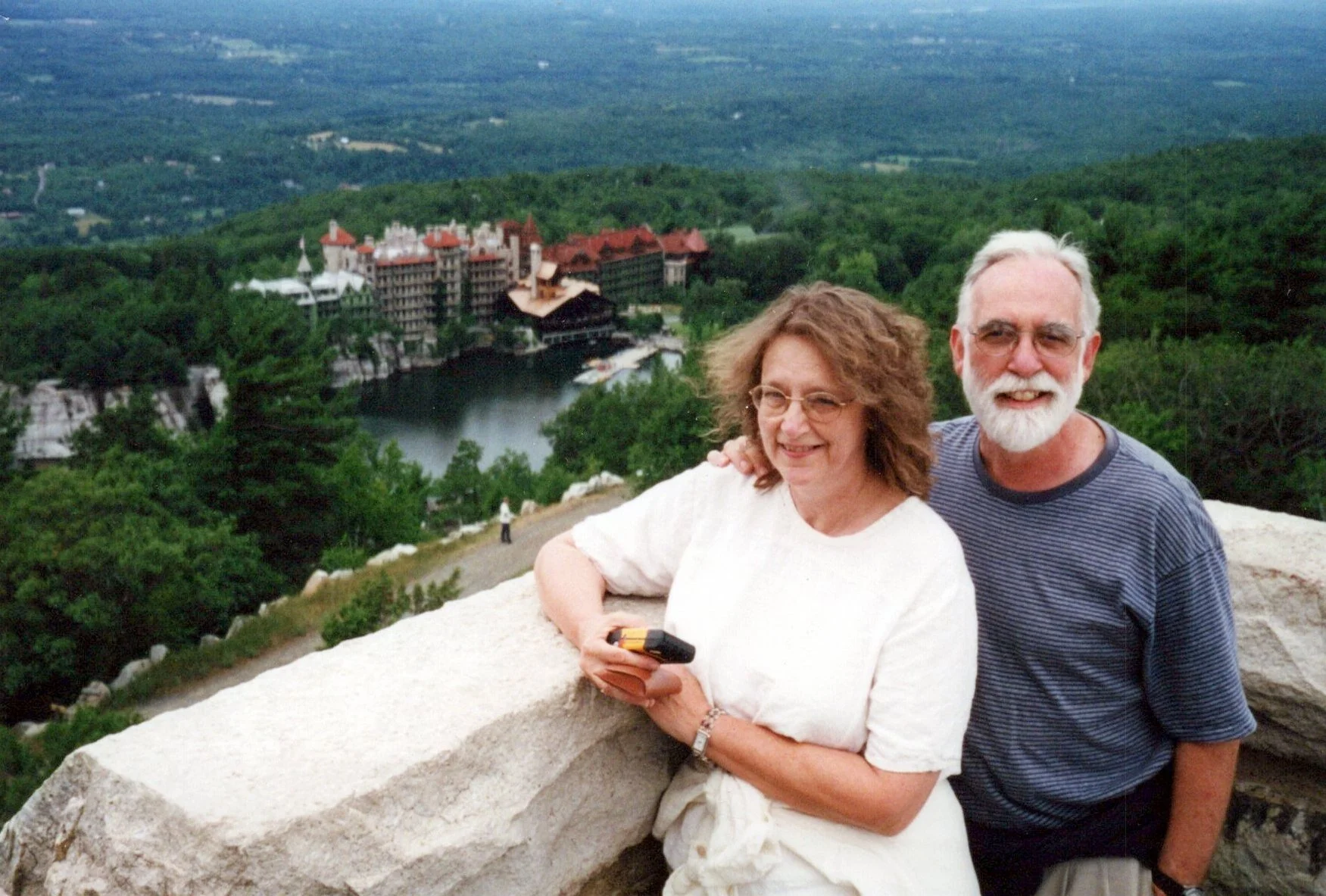

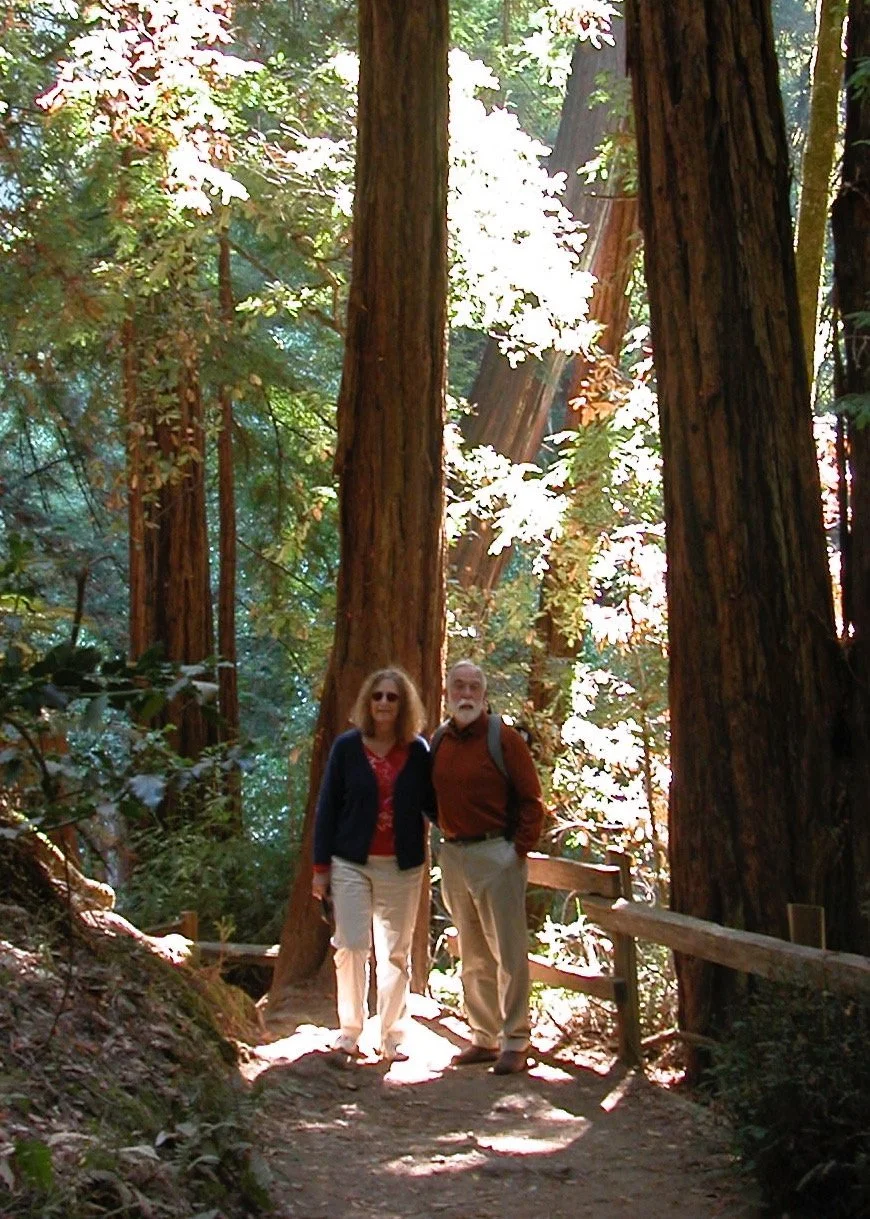
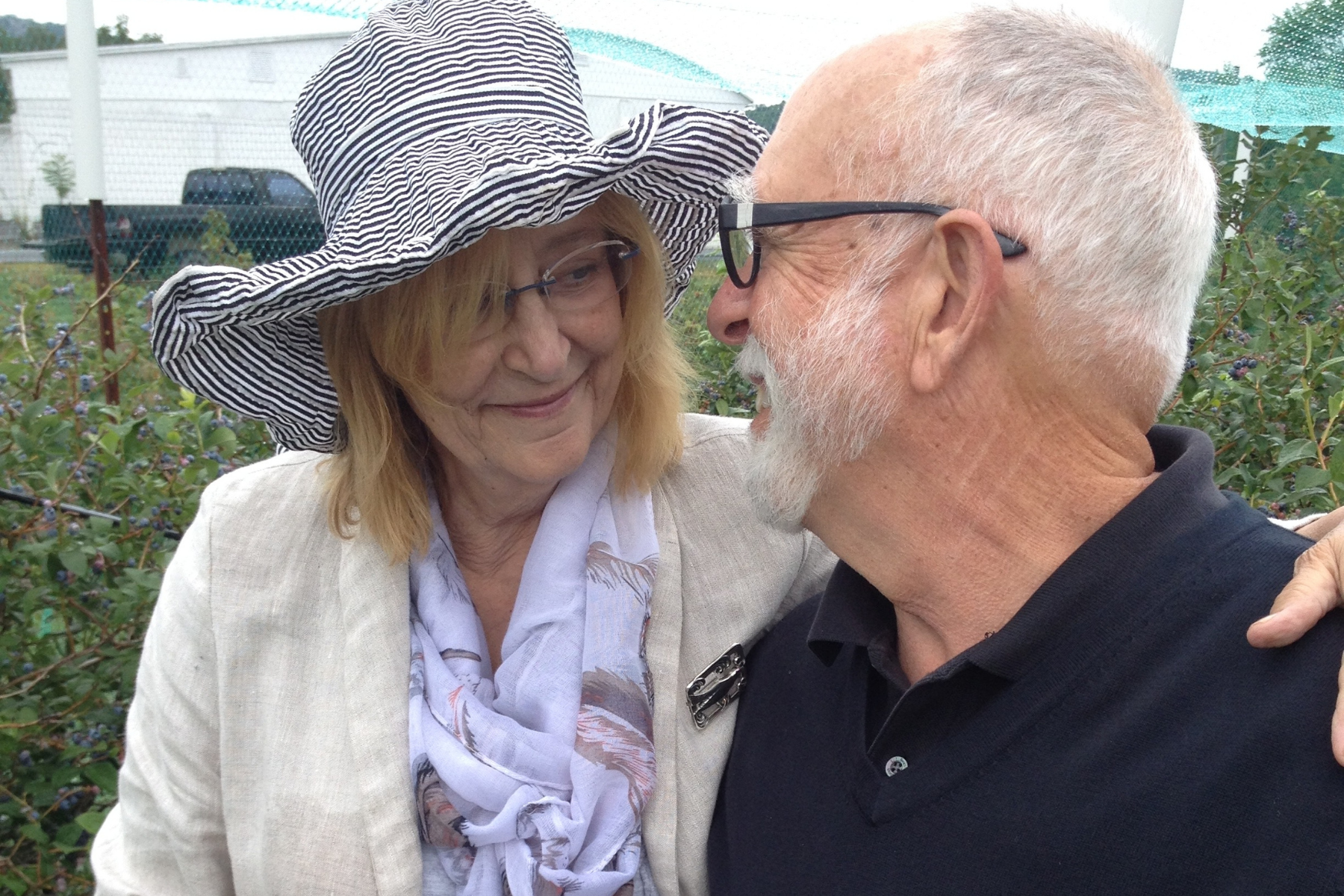
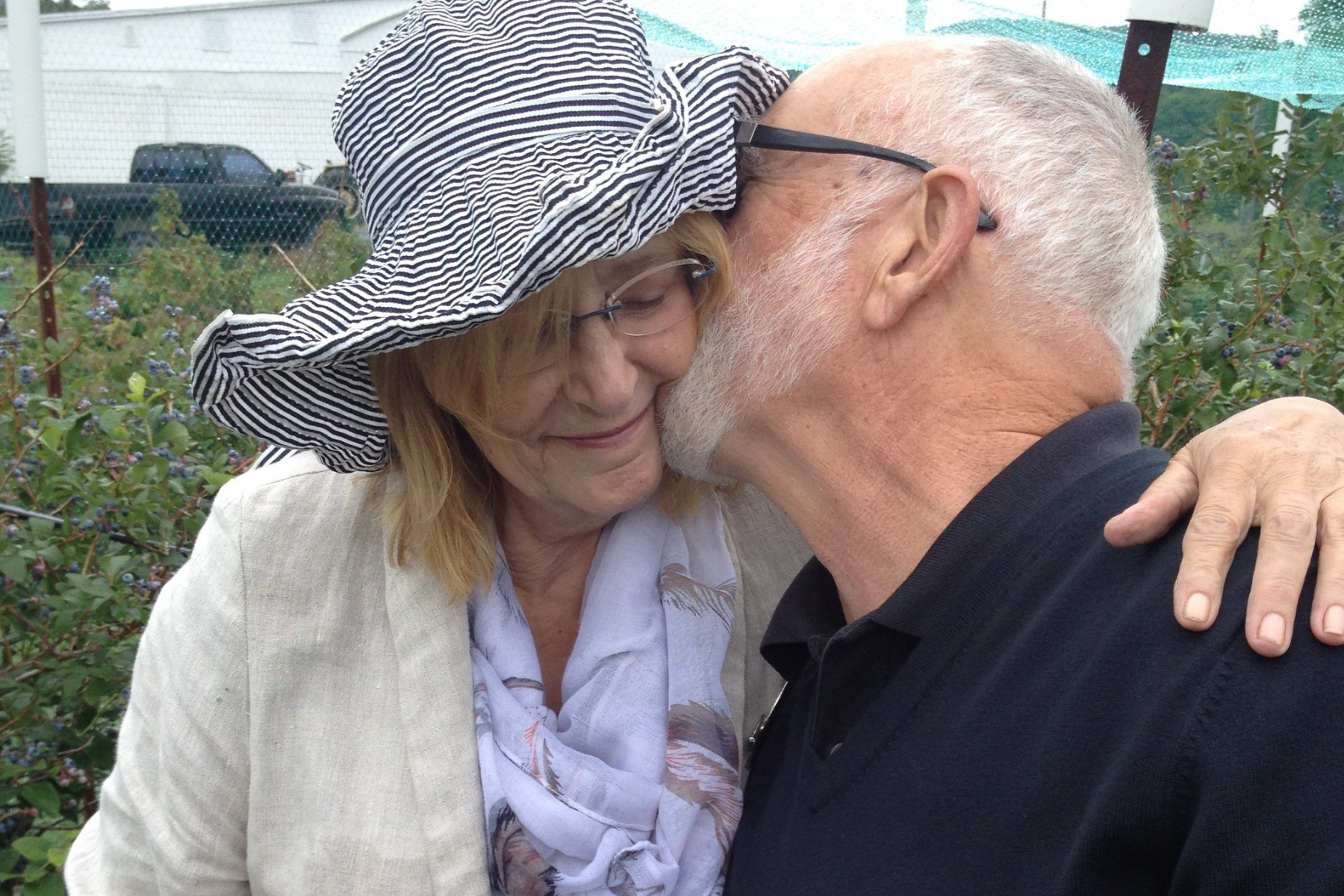
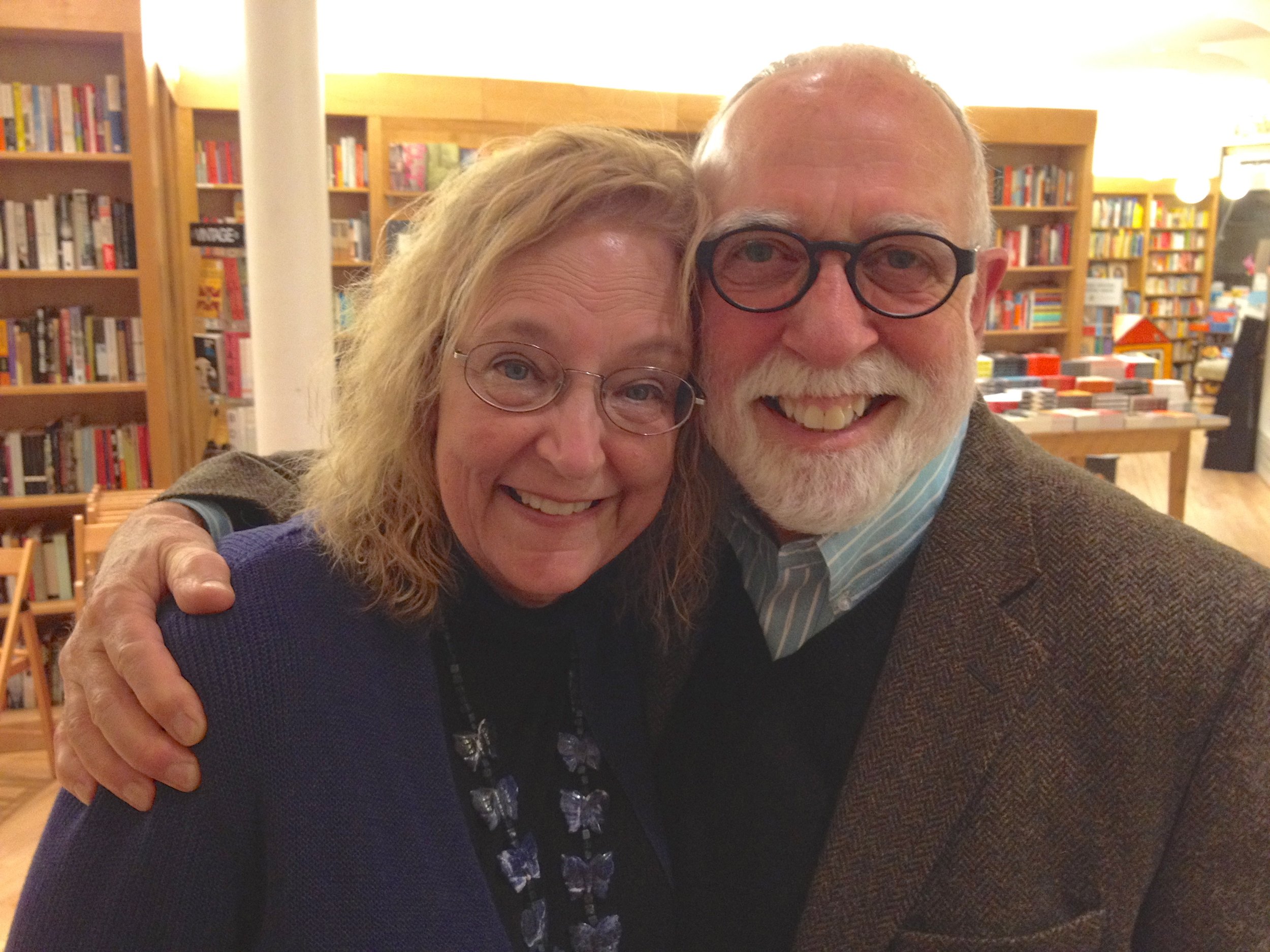
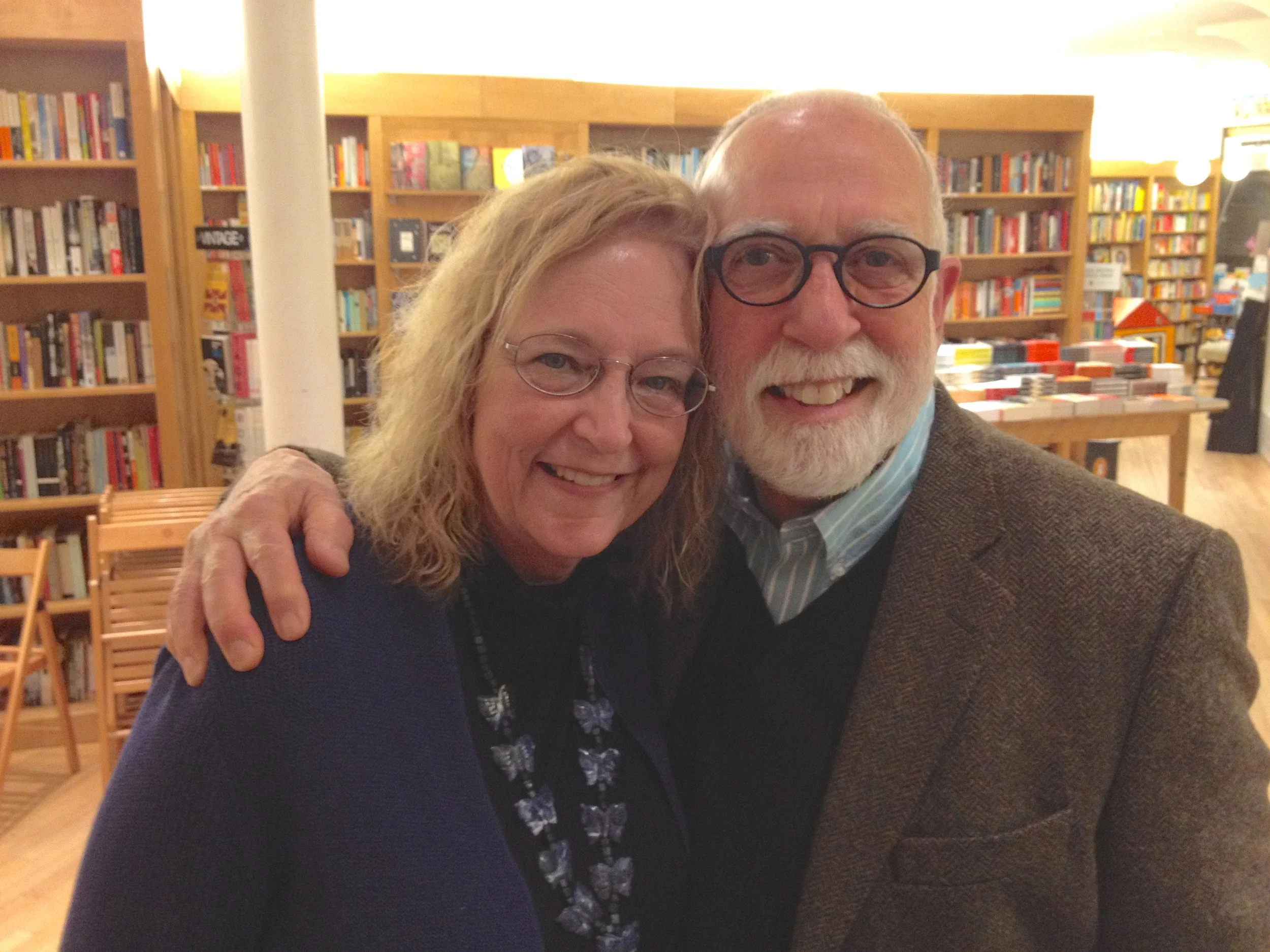
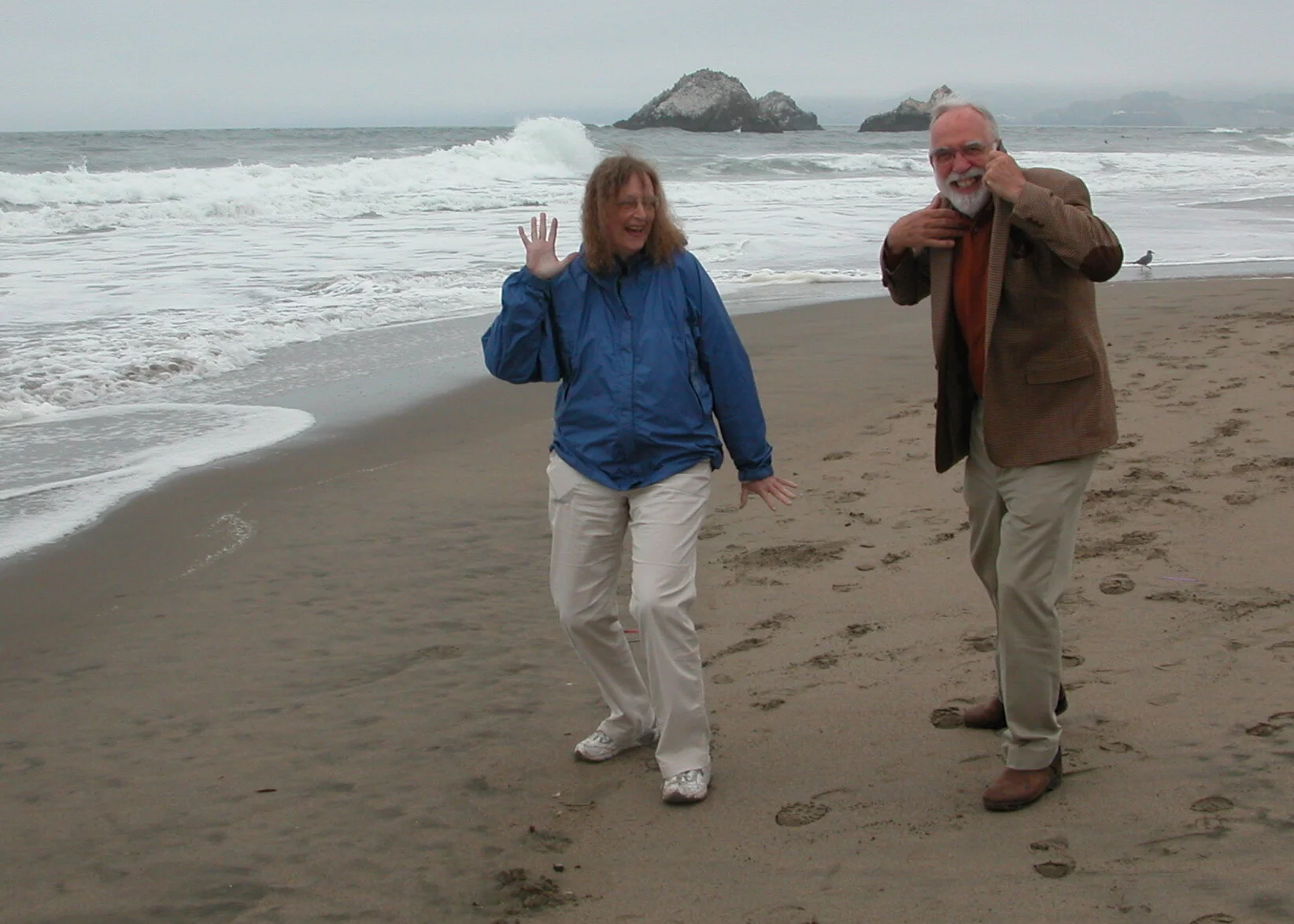
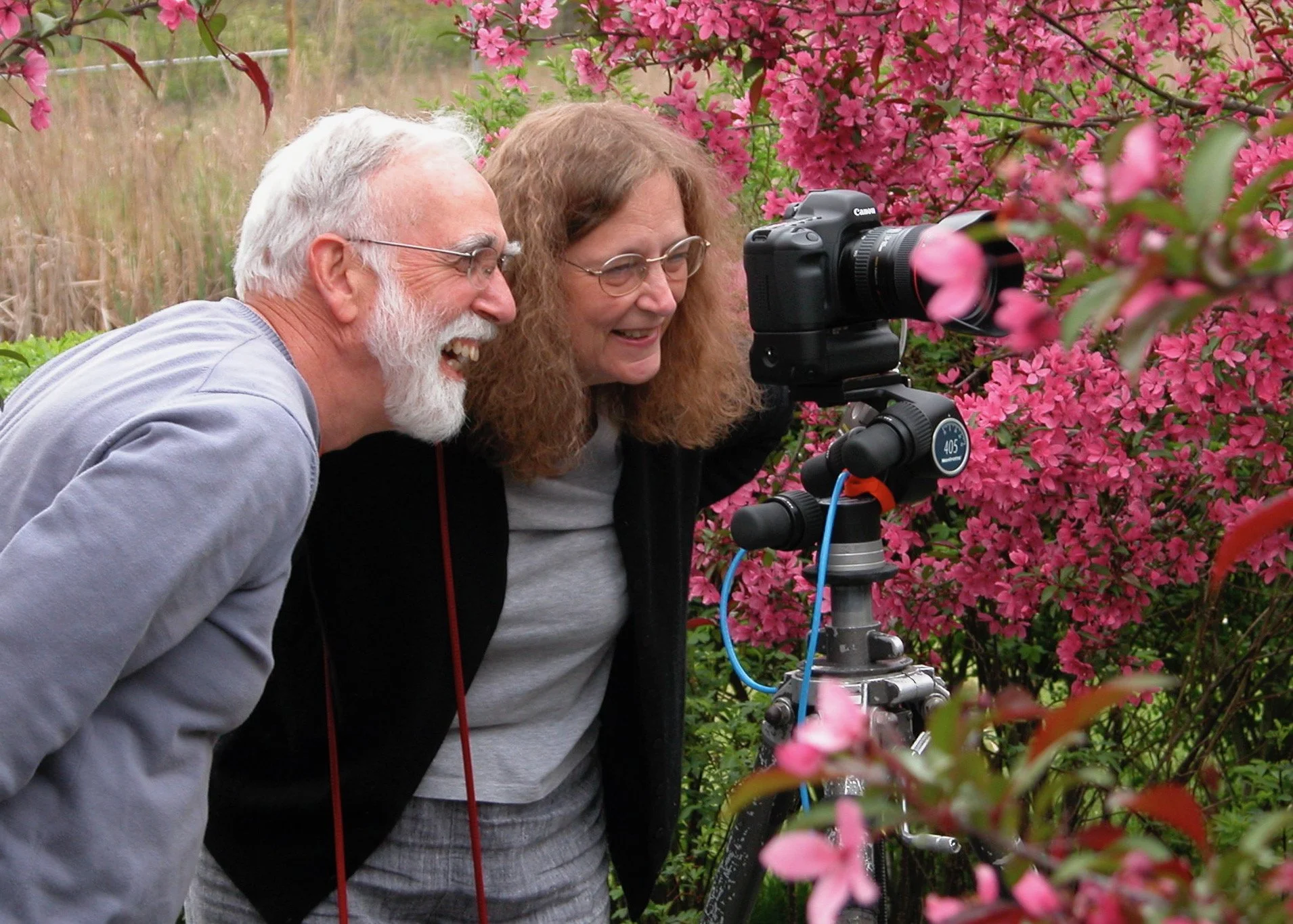
Angela‘s death represents the profound loss of a beloved mother, teacher, and friend. A writer of uncommon talent and a fierce proponent of literary craft, she inspired and encouraged many writers throughout her life.
Through her efforts, her talents, and her advocacy, Angela left the world a slightly better place than she found it. I will remember the softness of her voice, the sharpness of her prose, and her keen eye for the right word or phrase.

A Writing Sampler
• The name Angela shared with a well-known American Marxist and political activist led to a fair amount of personal and professional confusion throughout her life, which she wrote about memorably (and amusingly) in “Funny, You Don’t Look Like Angela Davis.”
• This powerful (slightly fictionalized) memoir piece, is entitled “The True Daughter.”
• And here’s an audio book preview of her novel, Plum Wine.
Read the obituary published on March 2, 2026